|
 |
 | | | | | | |||||||||||||||||||||||||||||||||||||||||||||||||||||||||||||||||||||||||||||||||||||||||||||||||||||||||||||||||||||||||||||||||||||||||||||||||||||||
| | | You are in: Business | |||||||||||||||||||||||||||||||||||||||||||||||||||||||||||||||||||||||||||||||||||||||||||||||||||||||||||||||||||||||||||||||||||||||||||||||||||||||||
|
| | Monday, 22 July, 2002, 09:35 GMT 10:35 UK Nigeria's graduate problem 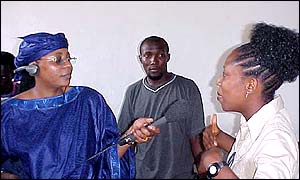 Will they find a place in the job market?
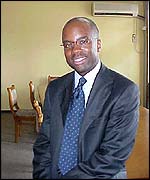
Employers are dismayed with the calibre of graduates coming for interview. Yet the hunger among students to acquire a university place has never been so great. Lawrence Etim-Bassey has a smart suit, a winning smile, a degree in Business Management from the University of Calabar and a certificate in computer studies from Port Harcourt University.
"Most graduates find it very difficult to find good jobs, unemployment is on the high side," he says. Lawrence's present employer, Ben Osifo Whiskey, describes him as "promising and hard working", but he is not prepared to offer him a job in his auditing firm until Lawrence has had work experience elsewhere. "In six months or a year his economic value will be enhanced. He'll get a better job and better pay." Quantity not quality Lawrence is one of millions of graduates, coming from a total of 32 different universities.
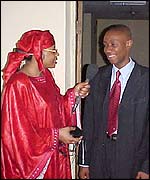
Even the premier University of Ibadan, established in 1948 as an external college of London University, has seen a decline in quality. While in the past many overseas universities used to snap up Ibadan graduates automatically, now they think twice. But the number of applicants remains undiminished, many with low academic standards . "Not every child can go to university", says Dr. Bayo Oduneye, lecturer in Theatre Arts at Ibadan. "Here they are rail-roaded to university... every parent wants his kid to go." The result is some students struggle to get to grips with their subject. "I ask them to read a play and ask them for emotional reaction. They say 'nothing'. How can you direct a play if you don't feel anything?" says Dr Oduneye. Self-improvement From the students point of view, university degree is seen as essential armour for dealing with an unpredictable and harsh world.
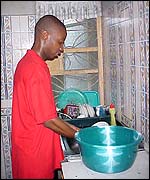
"I came because I wanted to be educated," says Ife Ogun. "I want to know what illiterates don't know. It'll give me a better chance of competing." In the past a good primary school education would have achieved the same goal. But the gap between rich and poor has widened in Nigeria in the past two decades as the old middle class has all but disappeared. Career move Even people who left school young and managed to find good jobs are dazzled by the idea of graduate status. Susan Udoka looks about 14, but this articulate, intelligent 20 year old is a highly successful market place banker. Her job involves putting the daily profits of the traders into a bank account for them. As soon as she has built up her savings she wants to break off working to complete her school certificate and go to university. She sees this move partly as a business strategy. "If people know you've been to university, they'll have confidence to work with you," she says. "In the future I want to go into mass communications, TV or radio." By her own admission Susan Ukoka earns good money, more than most graduates could dream of. Student grants, or scholarships, as they are known in Nigeria, vary in size from state to state, but none are big enough to live off. Job search But once you get your degree your worries are far from over.
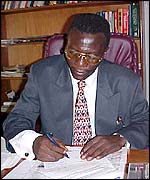
"Finding candidates of good calibre is extremely difficult - if not impossible. It's our biggest headache," says fund manager, Victor Olusegun Adeniji. " We prefer to look for people locally. When that doesn't work we get in touch with head hunters abroad. But it's difficult finding the right fit. "Nigerians who are abroad may not understand the nuances of the local market . We have to take time and money to train them." Opportunity knocks And as for Lawrence - I took his CV to Mohamed Acidah, head of Human Resources at NLNG (Nigerian Liquefied Natural Gas). His response was swift and to the point. "I would say this CV is typical of a young Nigerian graduate. It shows an individual without much experience. "Even where he mentioned what areas he worked in, he does not describe what he actually did. "But you can see he has a strong educational background, with a 2nd class degree, and a diploma in computer studies." And the golden question. Would Mr Acidah offer Lawrence an interview? "Yes I would. Even though he has not made the most of his experience. Looking at his educational attainments, he can be captured and developed." It looks like one young Nigerian graduate could get his foot in the door, and with any luck, both feet under the office desk. | | See also:  11 Jul 02 | Business 03 Jul 02 | Business 19 Apr 02 | Business 16 Jan 02 | Business 25 Jun 02 | Country profiles Internet links: The BBC is not responsible for the content of external internet sites Top Business stories now: Links to more Business stories are at the foot of the page. | |||||||||||||||||||||||||||||||||||||||||||||||||||||||||||||||||||||||||||||||||||||||||||||||||||||||||||||||||||||||||||||||||||||||||||||||||||||||
| |
|  E-mail this story to a friend E-mail this story to a friend |
| |
| Links to more Business stories |
| | | ||
 | ||||
 | | Back to top
| ||
| ---------------------------------------------------------------------------------- To BBC Sport>> | To BBC Weather>> | To BBC World Service>> ---------------------------------------------------------------------------------- © MMIII | News Sources | Privacy |