|
 |
 | | | | | | |||||||||||||||||||||||||||||||||||||||||||||||||||||||||||||||||||||||||||||||||||||||||||||||||||||||||||||||||||||||||||||||||||||||||||||||||||||||||||||||||||||||||||||||||||||||||||||||||||||||||
| | | You are in: Business | |||||||||||||||||||||||||||||||||||||||||||||||||||||||||||||||||||||||||||||||||||||||||||||||||||||||||||||||||||||||||||||||||||||||||||||||||||||||||||||||||||||||||||||||||||||||||||||||||||||||||||
|
| | Friday, 19 July, 2002, 14:58 GMT 15:58 UK Wall Street analysts in the spotlight 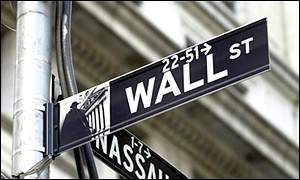
As Americans suffer mounting losses on their stock market holdings, a leading New York telecoms analyst has told the BBC's World Business Review that blame should not be directed solely at the Wall Street investment advisors who failed to predict a crash.
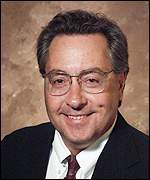
Anthony Ferrugia of the investment bank AG Edwards, accused some critics of Wall Street of "feigning naivete" to avoid blame for the current crisis of confidence in corporate America. Mr Ferrugia said that society had put analysts like himself in a position where they are confronted with "some very difficult decisions". Twenty years ago, Wall Street analysts were paid out of the commission fees earned by brokerage firms for buying and selling stock. But now analysts' fees come from the work they do for the corporate finance departments of the same Wall Street firms which act as advisors to big companies. Split loyalties Analysts have therefore ended up being torn between their duty to investors - to give honest views about a company's prospects, yet not wanting to undermine their firm's revenues by publicly saying something that could scupper any deal planned by their company's corporate finance team.
Earlier this year, investment bank Merrill Lynch agreed to pay $100m to settle an investigation by the New York attorney general into allegations that its analysts misled stock investors. But Mr Ferrugia implied that many people were putting on a public show of horror at recent revelations, when in reality the authorities have been well aware of the conflicts of interest. "Some people are being completely naive and other people are feigning naivete," said Mr Ferrugia, who is currently rated one of the top five telecoms analysts on Wall Street. "My company is a company that allows the analyst a great deal of independence - that's not to say that there may not be some heated discussions or some heavy-duty politics being played out," he said.
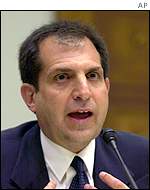
"Having said that, I sit in front of my institutional clients every day and tell them that... my independence is directly related to my willingness to go out in the street and look for another job. "As a consumer of analysts' services, that's something that is very important to determine about a particular analyst, in order to understand what kind of quality, in terms of stock-picking, you're going to get." Hamburgers and board meetings The telecoms analyst Jack Grubman, who was once reportedly the best paid analyst on Wall Street, gave extensive evidence to Congress concerning his dealings with WorldCom. Mr Grubman was a friend of Bernie Ebbers and the two met regularly to eat hamburgers and play pool. Mr Grubman was also WorldCom's most enthusiastic supporter and persuaded many small investors to buy into the company's shares - which are now worthless. Mr Grubman, who works for Solomon Smith Barney - a part of Citigroup, revealed he earned $15m in 1999. The company's investment banking department had earned huge fees from advising WorldCom. Mr Grubman's revelation that he attended "two or three" board meetings of WorldCom, has heightened concern that analysts got too close to the companies they were meant to be objective about to investors. Inappropriate Chuck Hill, of the Thomson Financial group which monitors Wall Street research, told the BBC that it wasn't appropriate for an analyst to appear at a company board meeting.
Mr Hill referred to his time as a Wall Street analyst. "Sure, you did some work for the investment banking of the house. If they were thinking about doing a deal with a company, they would come to you and say: What do you think about this company? Is it a good company?" "You'd give some opinions - but the idea that you'd be involved to the extent of sitting in on board meetings was just unheard-of." "But it was a different environment then. We weren't under the same kind of pressures as the analysts are today, where their compensation is heavily tied to what they do for investment banking." Objectivity lost Professor Michael Noll of the University of Southern California is also critical of the way some Wall Street analysts have behaved. "Certain analysts want to be in these favoured positions, of being allowed to attend meetings and have access to the top people. "If they're too critical of those companies and of those people at the top, that access will be denied," he said. "The net result of that is that you do not get objective analysis." | |
See also:  26 Jun 02 | Business 07 Jun 02 | Business 22 May 02 | Business 25 Apr 02 | Business Internet links: The BBC is not responsible for the content of external internet sites Top Business stories now: Links to more Business stories are at the foot of the page. | |||||||||||||||||||||||||||||||||||||||||||||||||||||||||||||||||||||||||||||||||||||||||||||||||||||||||||||||||||||||||||||||||||||||||||||||||||||||||||||||||||||||||||||||||||||||||||||||||||||||||
| |
|  E-mail this story to a friend E-mail this story to a friend |
| |
| Links to more Business stories |
| | | ||
 | ||||
 | | Back to top
| ||
| ---------------------------------------------------------------------------------- To BBC Sport>> | To BBC Weather>> | To BBC World Service>> ---------------------------------------------------------------------------------- © MMIII | News Sources | Privacy |