|
 |
 | | | | | | |||||||||||||||||||||||||||||||||||||||||||||||||||||||||||||||||||||||||||||||||||||||||||||||||||||||||||||||||||||||||||||||||||||||||||||
| | | You are in: Business | |||||||||||||||||||||||||||||||||||||||||||||||||||||||||||||||||||||||||||||||||||||||||||||||||||||||||||||||||||||||||||||||||||||||||||||||
|
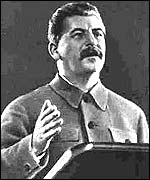
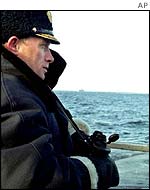
| | Friday, 12 July, 2002, 12:46 GMT 13:46 UK Russia enlists military muscle for economy 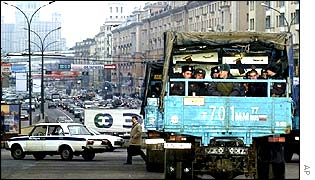 Russia aspires to a constant state of military readiness President Vladimir Putin's ambition of instilling a little discipline into the ramshackle Russian economy has taken an unusual step forward. Mr Putin has appointed a general - the man in charge of mobilising the army at times of crisis - to a senior post at the Economy Ministry, according to Russian media reports. General Vladislav Putilin is to oversee top-secret plans to keep Russia on an economic war footing, allowing the government to switch from civil to military production as fast as possible. An economic mobilisation plan has been in place since the Stalin era, but the bulk of industry is now in private hands, and the government has no money to keep the country in a state of readiness. General election General Putilin will serve as a deputy to German Gref, Russia's decidedly unmilitary and liberal economy minister.
According to Moscow analysts, General Putilin will have to conduct an audit of Russian industry, in order to establish where production capacity exists and how it can be exploited. Much of Russia's existing civilian industry uses plants built for military production during the Cold War, and technology is often dual-purpose. Bad old days For many Russians, General Putilin's appointment will spark unpleasant memories of the Soviet era.
The need to boost arms production with lightning speed during World War II was the main stimulus for Russia's transition from a rural to an industrial economy. But General Putilin's appointment could also please a substantial number of Russians, who hanker after the security of the Soviet period, and bemoan the economic chaos that has broken out in the past decade. Present problems While Russia has a long history of mixing military and economic affairs, reviving the mobilisation plan may not prove easy.
Indeed, Moscow has lost all but the most basic forms of control in the past few years. The government may be able to compel or persuade some Russian industrialists to fall in line. But many large firms have substantial foreign shareholders, who feel no patriotic duty, and who stand to lose out economically from meeting the demands of the military. | | See also:  10 Jul 02 | Country profiles 25 Jun 02 | Business 07 Jun 02 | Business 31 May 02 | Europe 25 May 02 | From Our Own Correspondent 19 Feb 02 | Business 06 Feb 02 | Business Internet links: The BBC is not responsible for the content of external internet sites Top Business stories now: Links to more Business stories are at the foot of the page. | |||||||||||||||||||||||||||||||||||||||||||||||||||||||||||||||||||||||||||||||||||||||||||||||||||||||||||||||||||||||||||||||||||||||||||||
| |
|  E-mail this story to a friend E-mail this story to a friend |
| |
| Links to more Business stories |
| | | ||
 | ||||
 | | Back to top
| ||
| ---------------------------------------------------------------------------------- To BBC Sport>> | To BBC Weather>> | To BBC World Service>> ---------------------------------------------------------------------------------- © MMIII | News Sources | Privacy |