|
 |
 | | | | | | |||||||||||||||||||||||||||||||||||||||||||||||||||||||||||||||||||||||||||||||||||||||||||||||||||||||||||||||||||||||||||||||||||||||||||||||||||||||||||||||||||||||||
| | | You are in: Business | |||||||||||||||||||||||||||||||||||||||||||||||||||||||||||||||||||||||||||||||||||||||||||||||||||||||||||||||||||||||||||||||||||||||||||||||||||||||||||||||||||||||||||
|
| | Friday, 7 June, 2002, 07:55 GMT 08:55 UK World Cup win for 3G phones? Forget David Beckham... this is much more fun
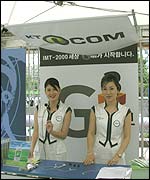
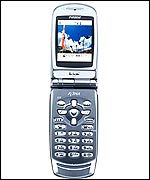
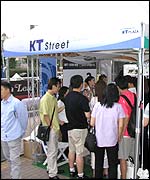
In the run-up to the football festival, both countries prepared feverishly to unveil their state-of-the-art mobile phones to the rest of the world. "It has been a matter of national pride," said Nik Frengle, an analyst at technology research company IntaDev in Tokyo. "They have spent billions on World Cup venues, but that's old hat now. Everyone does that. They want to show off their technology." So forget David Beckham's free kicks; apparently the real sell-out this summer is an opportunity to witness video phones in action. 3G try-outs KT ICOM, a mobile phone subsidiary of World Cup sponsor Korea Telecom, is using the event to trial its ground-breaking third-generation (3G) network.
Elegant women in futuristic hanboks are on hand to help fans send each other pictures and video clips. During the last 18 months, however, 3G has become more synonymous with the excesses of the telecom boom-and-bust, than Asia's vision of the future. Deadlines for introducing new services in Europe have been put back as mobile phone operators struggle to justify massive investments in 3G licences. Last month, the World Markets Research Centre forecast that only 27% of mobile users would have a 3G phone by 2007, compared with a currently accepted figure of about 40%. Fit to play? So can 3G really shake off months of injuries and show us what it can achieve on the field?
Japan's NTT DoCoMo, which launched its debut 3G service late last year, is offering World Cup clips of up to four minutes to entice new users to sign up. The company is obviously hoping that clips of eight-goal thrillers could make up for its rather lacklustre 3G launch in October. NTT DoCoMo has also pulled out the stops to extend its 3G coverage to every World Cup site in Japan, including some modest country towns. Not enough support But such Herculean efforts conceal deeper problems with 3G technology.
Japan's J-Phone, part owned by Vodafone, has enjoyed the enormous success of its Sha-Mail services, which allow customers to take and send pictures of themselves. In March, more than four million handsets equipped with mobile cameras had been sold. "People have been quite satisfied with the services they receive at the moment," said Mr Pescatore. "There has been no demand for extra bandwidth." Tactics DoCoMo was forced to pioneer the roll-out of 3G - using a technology called W-CDMA (wideband code division multiple access) - after its existing 2G platform became too congested.
DoCoMo's local rival KDDI chose instead to upgrade its current 2G network - known as CDMA - to support the high-speed transmission of data. As a result, its switch to 3G - or CDMA2000 - was more harmonious as users were phased over gradually. South Korean companies, including another subsidiary of Korea Telecom, KTF, have also upgraded their CDMA platforms. Different leagues But the battle for a 3G standard between the competing W-CDMA and CDMA2000 technologies is proving divisive. Most of Europe has decided to adopt the W-CDMA platform, mainly to avoid over-reliance on the US company Qualcomm, which controls patents for CDMA2000 technology. For mobile companies in Asia, therefore, choosing W-CDMA offers considerable roaming potential with a big chunk of the world. This partly explains why KT ICOM's World Cup trial is using a W-CDMA platform, even though its sister company, KTF, has gone on to CDMA2000. Following the trial, KT ICOM plans to launch a full W-CDMA service next March, said Kim Seung-Hoon from the company's sales planning department in Seoul. "About 80% of the world will use W-CDMA," he added. The long-term plan is then to transfer users of KTF's CDMA2000 platform on to KT ICOM's W-CDMA. Playing abroad This fight to establish a dominant 3G technology shows why the World Cup is not just about persuading local Koreans and Japanese to sign up for new services. "DoCoMo wants to sell their view of 3G into Europe," said IntaDev's Mr Frengle, who points out that mobile operators in Germany and Belgium already offer DoCoMo's i-mode (2.5G) service. In a bid to target World Cup tourists, the company is demonstrating its 3G phones in Tokyo's famous electronics district, Akihabara. "They want to get the message to Europe that this technology is cool, that this is their image of the future," said Mr Frengle. It's a perhaps a stretch to believe that the average England fan will return to Blighty as a confirmed W-CDMA junkie. But a brush with colour-screen mobiles on the streets of Tokyo might whet a few European appetites for new-generation phones. In the meantime, Asia will need to turn its fractured image of 3G's future into a hard reality. | |
See also:  29 May 02 | Business 29 May 02 | Business 28 May 02 | Business 30 May 02 | Business 08 May 02 | Business 14 Nov 01 | Business 12 Oct 01 | Business Internet links: The BBC is not responsible for the content of external internet sites Top Business stories now: Links to more Business stories are at the foot of the page. | |||||||||||||||||||||||||||||||||||||||||||||||||||||||||||||||||||||||||||||||||||||||||||||||||||||||||||||||||||||||||||||||||||||||||||||||||||||||||||||||||||||||||
| |
|  E-mail this story to a friend E-mail this story to a friend |
| |
| Links to more Business stories |
| | | ||
 | ||||
 | | Back to top
| ||
| ---------------------------------------------------------------------------------- To BBC Sport>> | To BBC Weather>> | To BBC World Service>> ---------------------------------------------------------------------------------- © MMIII | News Sources | Privacy |