|
 |
 | | | | | | |||||||||||||||||||||||||||||||||||||||||||||||||||||||||||||||||||||||||||||||||||||||||||||||||||||||||||||||||||||||||||||||||||||||||||
| | | You are in: Business | |||||||||||||||||||||||||||||||||||||||||||||||||||||||||||||||||||||||||||||||||||||||||||||||||||||||||||||||||||||||||||||||||||||||||||||
|
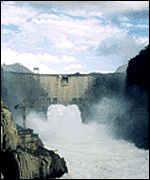
| | Monday, 3 June, 2002, 14:32 GMT 15:32 UK Mozambique plans new dam Existing dams have been blamed for regular flooding Mozambique has approached investors to fund a $1.3bn hydro-electric dam on the Zambezi River, both to supply domestic power needs and to provide a surplus to sell to neighbouring countries.
Mepanda Uncua, 61km downstream from the existing Cabora Bassa dam, would have a capacity to generate about 2,000 megawatts of power, equivalent to the output of around four large power stations. The new dam would end South African power company ESKOM's monopoly over electricity supply in Mozambique. Power plays About 80% of the of electricity generated by 3,750 megawatt Cahora Bassa, Africa's second largest dam covering 2,700-square kilometres, is contracted out to ESKOM and exported to neighbouring countries. Former colonial ruler Portugal, which built and owns the 25-year-old dam, is still paying off the debt for its construction. Electricity utility Electricidade de Mo�ambique (EDM) supplies the south of the country with power re-purchased from ESKOM. Environmental impact A preliminary environmental and social impact assessment last year by the government's Technical Unit for the Implementation of Hydroelectric Projects (UTIP) found the new dam would submerge about 100 square kilometres. The report estimated little arable land would be lost and about 1,000 people be resettled. Environmentalists have criticised the building of another dam on the Zambezi, arguing recent flooding was exacerbated by the existing dams along the river. They claim the government is more interested in generating foreign exchange earnings rather than coordinated water policy. | | See also:  07 May 02 | Business 17 Jan 02 | Business 27 Nov 01 | Business Top Business stories now: Links to more Business stories are at the foot of the page. | |||||||||||||||||||||||||||||||||||||||||||||||||||||||||||||||||||||||||||||||||||||||||||||||||||||||||||||||||||||||||||||||||||||||||||
| |
|  E-mail this story to a friend E-mail this story to a friend |
| |
| Links to more Business stories |
| | | ||
 | ||||
 | | Back to top
| ||
| ---------------------------------------------------------------------------------- To BBC Sport>> | To BBC Weather>> | To BBC World Service>> ---------------------------------------------------------------------------------- © MMIII | News Sources | Privacy |