|
 |
 | | | | | | ||||||||||||||||||||||||||||||||||||||||||||||||||||||||||||||||||||||||||||||||||||||||||||||||||||||||||||||||||||||||||||||||||||||||||||||||||||||
| | | You are in: Business | ||||||||||||||||||||||||||||||||||||||||||||||||||||||||||||||||||||||||||||||||||||||||||||||||||||||||||||||||||||||||||||||||||||||||||||||||||||||||
|
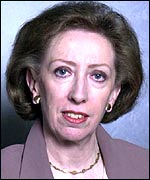
| | Sunday, 2 June, 2002, 14:24 GMT 15:24 UK Beckett slams US subsidies The US is under pressure to join the Kyoto protocol The UK's Environment Secretary Margaret Beckett has criticised the massive agricultural subsidies being given to farmers in the United States. And she has criticised the US for holding back from involvement in the Kyoto protocol on global warming. Mrs Beckett made her comments before attending a meeting in Bali which will pave the way for the UN eco-summit in Johannesburg in August.
Speaking on BBC 1's On the Record programme, she denounced the $130bn (�89.4bn) US farm subsidies agreed last month as "a step in the wrong direction". And she said other nations should keep up the pressure on George Bush's administration to fall into line with international agreements on the environment and Third World access to global trade. Subsidy cuts Mrs Beckett said: "I do agree that the recent American Farm Bill is certainly a step in the wrong direction, but it is not what the administration wanted." She added: "What we have to do now is try to make sure that they continue to pursue what they say are their long-term goals."
She said figures from the Organisation for Economic Co-Operation and Development showed that the $50bn (�34.4bn) a year spent on international aid was dwarfed by the $350 billion dollar subsidies to First World farmers. "If we can persuade the developed countries to reduce the subsidies we pay on agriculture, then everybody will benefit," she said. More pressure President Bush's refusal to endorse the Kyoto protocol did not sound the death-knell for the agreement to tackle climate change, Mrs Beckett insisted. She said: "The Americans are major polluters, but don't forget that this American government has said that they accept that there is a climate change problem, they accept that action has to be taken to tackle it in America. "They have some proposals there - not enough, not going far enough but proposals, a beginning," she added. Mrs Beckett said she thought that in time, the American business community and interests would see that America was losing out. And she believed that pressure on the United States would increase. "If we weren't going on with Kyoto, if there wasn't something the rest of the world was trying to get agreed and brought into force, then there wouldn't be anything to drive America into a parallel process. "While it is there, that pressure remains," Mrs Beckett said. | |
See also:  31 May 02 | Europe 27 May 02 | Asia-Pacific 17 May 02 | Science/Nature 22 May 02 | UK Politics Internet links: The BBC is not responsible for the content of external internet sites Top Business stories now: Links to more Business stories are at the foot of the page. | ||||||||||||||||||||||||||||||||||||||||||||||||||||||||||||||||||||||||||||||||||||||||||||||||||||||||||||||||||||||||||||||||||||||||||||||||||||||
| |
|  E-mail this story to a friend E-mail this story to a friend |
| |
| Links to more Business stories |
| | | ||
 | ||||
 | | Back to top
| ||
| ---------------------------------------------------------------------------------- To BBC Sport>> | To BBC Weather>> | To BBC World Service>> ---------------------------------------------------------------------------------- © MMIII | News Sources | Privacy |