|
 |
 | | | | | | ||||||||||||||||||||||||||||||||||||||||||||||||||||||||||||||||||||||||||||||||||||||||||||||||||||||||||||||||||||||||||||||||||||||||||||||||||||||||||||||||||||||||||||||||||||||||||||||||||||||||||||||||
| | | You are in: Business | ||||||||||||||||||||||||||||||||||||||||||||||||||||||||||||||||||||||||||||||||||||||||||||||||||||||||||||||||||||||||||||||||||||||||||||||||||||||||||||||||||||||||||||||||||||||||||||||||||||||||||||||||||
|
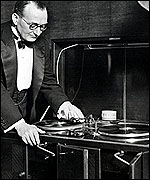
| | Thursday, 30 May, 2002, 10:02 GMT 11:02 UK Pop goes pop The halcyon days of live rock have changed For more than 120 years, record companies have produced entertainment around the world. But today, with freeloading from the internet, they trade in uncertain times. Peter Day, of Radio 4's In Business, feels the beat. It started with Edison's crackly cylinders. Then came those fragile 78s. The dulcet tones of the tenor Enrico Caruso filled the grooves in over a million records - the first to do so.
Rock 'n' Roll then transformed the music scene with artists such as Elvis Presley, The Beatles and the Rolling Stones leading the way. Dire Straits' "Brothers in Arms" became the first CD to sell 1m copies, but Elton John's "Candle in the Wind" outstripped them all with 33m sold worldwide. Time to face the music
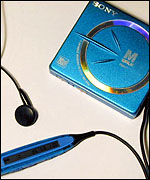
People in the music business are genuinely concerned at the high level of pirated music, downloaded from the internet. One day, one person can record a track and the next day 100,000 + will have downloaded it. The industry is worth billions worldwide, but the "big five", Sony, Time Warner, Bertelsmann, Vivendi and EMI see sales dropping. Technology has taken a grip. It used to be that the sharp needle was the height of hi-tech, but today it's the internet. In the shape of "peer to peer file sharing", as it's termed, music circles the world - instantly. And it's illegal. Enter the police
So Bertelsmann, bought Napster, attempting to turn it into a pay-to-listen provider. But what about those pirates? In the centre of London is a company that seriously surfs the web 24/7. Net PD roams the web and tracks anyone breaching music copyright law. They inform the company providing the internet service to the offender, which can, in certain circumstances lead to prosecution. In a recent search, they found a staggering 3.5billion files were downloaded in one month - this clearly hits the bottom line of the music industry accounts. And this illegal practice is rapidly growing.
Record companies have tried to persuade computer companies to stop making the hard and software that is eroding their business, but with little success. Jay Berman, Chairman of the IFPI - International Federation of Phonograph Industry - says that the music industry has tried to have talks with the computer companies - nothing was achieved. Meantime, the longer people are used to freeloading from the internet, the harder it will be to introduce any pay-to-listen scheme. UK music on a high Despite consequential job losses, the music business in the UK is still buoyant. Maybe the computer music "industry" is not as rife as in America. But worldwide, the crisis seems simple to assess. The music industry lacks musicians that pull in the fans. For the first time since 1963, there has not been a British single in the American top ten charts.
They concentrate on nurturing an act for a long-term relationship between artist, label and listener. Another big idea to revive the ailing music industry comes from Dave Stewart of Eurythmics fame. His philosophy is simple with his "Artist Network" - he wants to have a studio for musicians, run by musicians in a family atmosphere. Others, like Relentless Records concentrate on the artists that the big companies cast aside, and with the backing of the nightclub group "Ministry of Sound" they're making music work, and creating big hits.
And, as they say, "it aint over till that fat lady sings" In Business is broadcast on BBC Radio 4 | |
See also:  16 Apr 02 | Entertainment 16 Apr 02 | Entertainment 11 Feb 02 | Entertainment 22 Jan 02 | Entertainment Internet links: The BBC is not responsible for the content of external internet sites Top Business stories now: Links to more Business stories are at the foot of the page. | ||||||||||||||||||||||||||||||||||||||||||||||||||||||||||||||||||||||||||||||||||||||||||||||||||||||||||||||||||||||||||||||||||||||||||||||||||||||||||||||||||||||||||||||||||||||||||||||||||||||||||||||||
| |
|  E-mail this story to a friend E-mail this story to a friend |
| |
| Links to more Business stories |
| | | ||
 | ||||
 | | Back to top
| ||
| ---------------------------------------------------------------------------------- To BBC Sport>> | To BBC Weather>> | To BBC World Service>> ---------------------------------------------------------------------------------- © MMIII | News Sources | Privacy |