|
 |
 | | | | | | ||||||||||||||||||||||||||||||||||||||||||||||||||||||||||||||||||||||||||||||||||||||||||||||||||||||||||||||||||||||||||||||||||||||||||||||||||||||||||||||||||||||||||||||||||||||||||||||||||||||||||||||||||||||||
| | | You are in: Asia-Pacific | ||||||||||||||||||||||||||||||||||||||||||||||||||||||||||||||||||||||||||||||||||||||||||||||||||||||||||||||||||||||||||||||||||||||||||||||||||||||||||||||||||||||||||||||||||||||||||||||||||||||||||||||||||||||||||
|
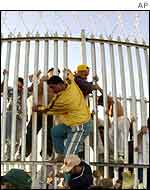
| | Tuesday, 4 February, 2003, 10:36 GMT Australian court confirms asylum appeals  Australia's asylum policy has been loudly criticised
The seven judges at the High Court in Canberra said any attempt to stop the judicial review of appeals was undemocratic.
The government introduced tough immigration laws two years ago after more than 400 mainly Afghan migrants were rescued in the Indian Ocean by the Norwegian freighter the Tampa. The migrants were refused entry into Australia, and were later transferred to camps on Nauru and Papua New Guinea. Lengthy delays The government had wanted to limit legal challenges on judgments made by the Refugee Review Tribunal, an independent body set up to examine decisions made by the immigration department. Its legislation has been watered down by the High Court, but has not been completely dismantled. Appeals will still be allowed but only if applicants can prove that mistakes were made by the tribunal. Strict time limits will also apply to challenges lodged in the courts. The Australian Immigration Minister Philip Ruddock had insisted the appeals system was in desperate need of reform. He said the number of asylum seekers taking their cases to the courts had increased four-fold in recent years. As the caseload grew the delays increased, Mr Ruddock said - which was resulting in more time in detention for applicants and greater burdens on the taxpayer. Official figures show that two years ago, more than 2,500 appeals were lodged. Of these, just over 100 were successful. | |
See also:  03 Feb 03 | Asia-Pacific 02 Jan 03 | Asia-Pacific 01 Jan 03 | Asia-Pacific 31 Dec 02 | Asia-Pacific 12 Aug 02 | Asia-Pacific 26 Sep 02 | Correspondent Internet links: The BBC is not responsible for the content of external internet sites Top Asia-Pacific stories now: Links to more Asia-Pacific stories are at the foot of the page. | ||||||||||||||||||||||||||||||||||||||||||||||||||||||||||||||||||||||||||||||||||||||||||||||||||||||||||||||||||||||||||||||||||||||||||||||||||||||||||||||||||||||||||||||||||||||||||||||||||||||||||||||||||||||||
 | |
|  E-mail this story to a friend E-mail this story to a friend |
| |
| Links to more Asia-Pacific stories |
| | | ||
 | ||||
 | | Back to top
| ||
| ---------------------------------------------------------------------------------- To BBC Sport>> | To BBC Weather>> | To BBC World Service>> ---------------------------------------------------------------------------------- © MMIII | News Sources | Privacy |