|
 |
 | | | | | | |||||||||||||||||||||||||||||||||||||||||||||||||||||||||||||||||||||||||||||||||||||||||||||||||||||||||||||||||||||||||||||||||||||||||||||||||||||||||||||||||||||||||
| | | You are in: Asia-Pacific | |||||||||||||||||||||||||||||||||||||||||||||||||||||||||||||||||||||||||||||||||||||||||||||||||||||||||||||||||||||||||||||||||||||||||||||||||||||||||||||||||||||||||||
|
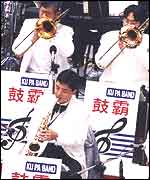
| | Tuesday, 31 December, 2002, 00:41 GMT Taiwan's pop idols swing once more  Kupa were seen regularly on the TV in their heyday
Kupa, which performs big band numbers, was formed half a century ago, and during its heyday in the 1960s and 70s regularly appeared on national television and radio.
But now Kupa is back with a regular gig at a refurbished Taipei theatre, and the performers are hoping to attract a new generation of fans. The band, which plays jazz, Latin, mambo, and traditional Taiwanese songs, was formed in 1953. It quickly won fans across Taiwan, including US servicemen stationed on the island or having a holiday there.
The performers, originally called the Taipei Cuban Boys, had perhaps their most successful stint at Taipei's five-star Ambassador Hotel, performing nightly from 1964 to 1987. "The Ambassador was very famous at that time. On Christmas Eve more than 1,000 couples joined the party. We were very famous then and were on TV all the time," said Ben Chiu, who joined the band in 1984. The saxophonist said some of the original band members were Taiwan's first pop stars, and were often recognised on the street when they went out.
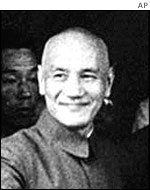
Taiwan's nationalist leader Chiang Kai-shek was also a fan. He would often invite Kupa to play at banquets he hosted for foreign visitors. "Chiang really appreciated our band. He had heard many Chinese bands playing before, but was amazed that this Taiwanese band could play so well," said current bandmaster Hsieh So-yen. The island's leader did not request specific tunes, but the band would often play the Chinese folk song Young Lady from Hangzhou when he was watching because they knew he liked it. However, having such a powerful fan did have its downside, as the band found out when Fidel Castro established communist rule in Cuba in the 1960s. Perhaps not surprisingly, considering Chiang was defeated by Communists in China's civil war in 1949, he was sensitive to anything with left-wing connotations. So he ordered the Taipei Cuban Boys to change their name. The band decided on Kupa, and although it sounded similar to Cuba, Chiang did not seem to mind. It was more difficult, though, to survive changing tastes, as modern tunes took centre stage in the late 1980s. But despite its waning popularity, Kupa, home to a changing group of musicians, kept playing, and that decision now seems to be paying off. New listeners Huang Shi-yi, a 20-year-old Taipei actress and singer with a rock band called Orgasm, expressed her enthusiasm for Kupa after rehearsing at the same venue. She said: "They are cool, very famous. My parents like their music and so do I. They perform so many different styles." The band now has frequent gigs at the newly-renovated Red House Theatre, which used to be a cinema for pornographic films, and is attracting new supporters. At one recent gig there were more than 200 fans, who swayed to the music and clapped their hands in between sipping Chinese tea and nibbling nuts. Even current Taiwan President Chen Shui-bian has seen Kupa perform. The classic Glenn Miller tune In the Mood is often played by the band. Now it seems Taiwanese audiences are increasingly in the mood to listen. | | See also:  04 Apr 02 | Asia-Pacific 24 May 00 | Asia-Pacific 14 Jan 02 | Asia-Pacific Top Asia-Pacific stories now: Links to more Asia-Pacific stories are at the foot of the page. | |||||||||||||||||||||||||||||||||||||||||||||||||||||||||||||||||||||||||||||||||||||||||||||||||||||||||||||||||||||||||||||||||||||||||||||||||||||||||||||||||||||||||
 | |
|  E-mail this story to a friend E-mail this story to a friend |
| |
| Links to more Asia-Pacific stories |
| | | ||
 | ||||
 | | Back to top
| ||
| ---------------------------------------------------------------------------------- To BBC Sport>> | To BBC Weather>> | To BBC World Service>> ---------------------------------------------------------------------------------- © MMIII | News Sources | Privacy |






 They are cool, very famous- my parents like their music and so do I - they perform so many different styles