|
 |
 | | | | | | ||||||||||||||||||||||||||||||||||||||||||||||||||||||||||||||||||||||||||||||||||||||||||||||||||||||||||||||||||||||||||||||||||||||||||||||||||||||||||||||||||||||||||||||||||||||||||||||||||||||||||||||||||||||||||
| | | You are in: Asia-Pacific | ||||||||||||||||||||||||||||||||||||||||||||||||||||||||||||||||||||||||||||||||||||||||||||||||||||||||||||||||||||||||||||||||||||||||||||||||||||||||||||||||||||||||||||||||||||||||||||||||||||||||||||||||||||||||||||
|
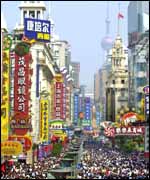
| | Thursday, 21 November, 2002, 17:54 GMT A tale of two Chinas  Many young people are moving to Shanghai In a series of special reports made for BBC World Service, Young In China explores the changing lives of China's 20-somethings and discovers that generations are finding new ways of living alongside each other. Shanghai is the grandest expression of the Chinese dream. It's a dream about reinvention, about turning a tired old farming nation into a hi-tech superpower. Such is the speed of development in China that it is fast becoming a tale of two cities. The youth living in rural areas may hunger for houses, cars and every other trophy of material success, but they recognise that they are far from obtaining them.
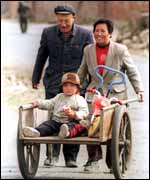
Chen Guangcheng and his family have been growing maize and peanuts in a village in north-east China for as long as he can remember. It's a poor place with few creature comforts. Fifteen years ago the village was wired for electricity and just five years ago telephones were introduced. His home consists of two rooms with concrete floors, a bed and low table for furniture. His parents sleep in one room and he and his fianc�e sleep in the other. Guangcheng is blind. His disability meant he could not attend school until he was 18-years-old.
But he has made up for it since by teaching himself law. Now 10 years after graduating from university he's returned to campaign for village rights. "The best period was in the early 1990s when people in the village felt that their incomes were rising," he explained. "Recently economic conditions haven't been so good. Except for the busy farming times when people come back to help, the rest of the time, the youngest and the ablest have all left the village for bigger towns." Independence Plenty of farmers end up on the streets of Shanghai, believing that a wage of $60 a month is better than the $60 they can earn in a year for labour in the fields. Many build and decorate apartments in cities for people like Ling Jie, a 24-year-old teacher at an elite Shanghai secondary school. With four times as much space as the current dormitory that she shares with four people, she is excited about the prospect of moving into her seventh-floor apartment. "I will be happy and more comfortable," she enthused. "I can have a big bed, a shower and a piano, anything that I want." "I will be more independent and I won't marry myself off so quickly." Among those 20-somethings interviewed, the effect that millions more showers, cars and air conditioning units could have was simply not high on the "me" generation's agenda. Modernisation From the transport infrastructure to the housing complexes and the manufacturing empires, it's easy to believe in China's dream of reinvention. In ultra-modern Shanghai it's possible to forget that places like Dongshigu village, where electricity and running water are still relative novelties, exist.
Whilst residents of the Shandong province fight for clean water, in Shanghai, residents hope to win the medal next year for the greenest city in China. To succeed it will require a minimum of seven square metres of green space per person, and with 14 million living in the city that's a big challenge. Greenery pops up overnight, but in Ling Jie's view such instant gratification is just another example of modern China's way of life. "Many places are developed into being factories, but greenery goes with factories," she explained. "The landscape isn't being destroyed it is being improved." "Modernisation doesn't go against nature, they go together." | |
See also:  14 Nov 02 | Asia-Pacific 09 Nov 02 | From Our Own Correspondent Internet links: The BBC is not responsible for the content of external internet sites Top Asia-Pacific stories now: Links to more Asia-Pacific stories are at the foot of the page. | ||||||||||||||||||||||||||||||||||||||||||||||||||||||||||||||||||||||||||||||||||||||||||||||||||||||||||||||||||||||||||||||||||||||||||||||||||||||||||||||||||||||||||||||||||||||||||||||||||||||||||||||||||||||||||
| |
|  E-mail this story to a friend E-mail this story to a friend |
| |
| Links to more Asia-Pacific stories |
| | | ||
 | ||||
 | | Back to top
| ||
| ---------------------------------------------------------------------------------- To BBC Sport>> | To BBC Weather>> | To BBC World Service>> ---------------------------------------------------------------------------------- © MMIII | News Sources | Privacy |