|
 |
 | | | | | | |||||||||||||||||||||||||||||||||||||||||||||||||||||||||||||||||||||||||||||||||||||||||||||||||||||||||||||||||||||||||||||||||||||||||||||||||||||||||||||||||||||||||||||||||||||||||||||||||||||||||||||||||||||||||||
| | | You are in: Asia-Pacific | |||||||||||||||||||||||||||||||||||||||||||||||||||||||||||||||||||||||||||||||||||||||||||||||||||||||||||||||||||||||||||||||||||||||||||||||||||||||||||||||||||||||||||||||||||||||||||||||||||||||||||||||||||||||||||||
|
| | Thursday, 7 November, 2002, 11:34 GMT Young in China: From Mao to me 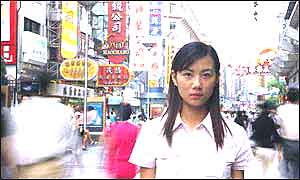 Meet the "me" generation In a series of special reports made for BBC World Service, Young In China explores the changing lives of China's 20-somethings - starting with their self-image. It is not so long ago that young Chinese dreamed of owning a bicycle and a watch, and there were only two brands to choose from. Now the ring tone on their mobile phone is just one of the dizzying decisions they have to make in every area of life from hair colour to jobs and sexual partners.
As the world's oldest civilisation has jettisoned much of its past, the first generation to grow up under China's one-child policy has embraced a new way of life. Twenty-two year-old musician Long Kuan proudly asserts the ethos of China's new youth. "I really sincerely wish people would live hard, no matter what they do," she says. "Whether they're rich or they're poor, or they have complicated or simple lives, I really want people to take living seriously." Personal gratification for Long Kuan, and many others like her, is a new religion. "What's important to me is myself," she says. "I think the first responsibility I have is to myself. And then you think about other people. "You can do whatever you want, as long as it doesn't hurt any other people." Consumerism The Communist Revolution is only 50 years old, but already both the revolution and the 2000 years of Confucian obligations which preceded it appear to have been unceremoniously stood on their heads. No more working for community, family or nation. According to the programme's interviewees, China's 20-somethings work for number one. Ling Jie is a 24-year-old teacher. She tells us how she is counting the days until she can move out of the tiny dormitory room she shares with colleagues and into her new apartment in downtown Shanghai. "No more climbing a ladder up to a bunk. I'm going to have a king-size bed and my very own shower," she enthuses. She is an unashamed consumer and is not embarrassed to admit that she believes what she buys affects who she is. Having her own space, she believes, will do a lot for her love life, non-existent as it is within the confines of her dorm. "I won't be in any hurry to get married," she quickly added. "With my own flat, I don't need to make do when I'm choosing a partner." Aspirations Born alongside the one-child policy and the market economy, the youths interviewed demonstrate all the emotional and economic instincts of exuberant individualism.
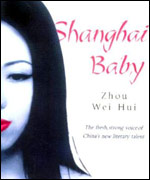
Zhang Qicai, a migrant worker in her late 20s, has been working in Beijing for 10 years as a cleaner and a nanny. Whilst she may not have the broad aspirations of her urban counterparts, she recognises that her horizons are far wider than those of her mother, who lived all her life on the farm. "My ambition is to have enough money to furnish my house, to bring up a child and to open a little shop close to the main road back home," she said. "I try to encourage my husband to work hard so that we can save the money we need, but he doesn't listen." "I could divorce him. If he doesn't get better I might," she asserts. Fantasies According to novelist Wei Hui, "Shanghai is a female city... The Chinese woman is changing... China is reforming and opening; the Western culture is coming in." Her novel, Shanghai Baby, tells of a promiscuous cosmopolitan set in contemporary Shanghai, and was a bestseller until it was banned in China in 2000.
"Shanghai has so many possibilities, it's become like a fairy-tale," she says "The people who live here are very stimulated. They think, 'Oh yes, tomorrow I can become a millionaire. There are so many chances. If I take a chance, I can always be somebody.'" But she warns, "They have too many fantasies. Some of them are not real. So some people are suffering, because some dreams obviously can't come true." Contribution Few of those interviewed for the Young In China series talk about building a better society or helping others. After the socialist idealism of their parents' generation, this generation is profoundly cynical about political idealism. Zhang Tao, China product manager for the French cosmetics brand Lancome, sums up the views of many when she says, "People who are turning their attention more to themselves - in a sense, are contributing to society." "People now are becoming more independent, in terms of their thinking and in terms of things they're doing. "And... (that) is in itself a contribution to society, because society is becoming more open. And people are more human than before." You can hear Young In China on BBC World Service from Thursday 7 November at 20:30 GMT in Europe. | |
Internet links:  The BBC is not responsible for the content of external internet sites Top Asia-Pacific stories now: Links to more Asia-Pacific stories are at the foot of the page. | |||||||||||||||||||||||||||||||||||||||||||||||||||||||||||||||||||||||||||||||||||||||||||||||||||||||||||||||||||||||||||||||||||||||||||||||||||||||||||||||||||||||||||||||||||||||||||||||||||||||||||||||||||||||||||
| |
|  E-mail this story to a friend E-mail this story to a friend |
| |
| Links to more Asia-Pacific stories |
| | | ||
 | ||||
 | | Back to top
| ||
| ---------------------------------------------------------------------------------- To BBC Sport>> | To BBC Weather>> | To BBC World Service>> ---------------------------------------------------------------------------------- © MMIII | News Sources | Privacy |