|
 |
 | | | | | | ||||||||||||||||||||||||||||||||||||||||||||||||||||||||||||||||||||||||||||||||||||||||||||||||||||||||||||||||||||||||||||||||||||||||||||||||||||||||||||||||||||||||||||||||||||||||
| | | You are in: Asia-Pacific | ||||||||||||||||||||||||||||||||||||||||||||||||||||||||||||||||||||||||||||||||||||||||||||||||||||||||||||||||||||||||||||||||||||||||||||||||||||||||||||||||||||||||||||||||||||||||||
|
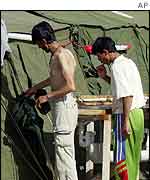
| | Thursday, 26 September, 2002, 07:54 GMT 08:54 UK Australian asylum policies attacked 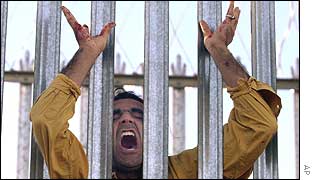 Australia has one of the toughest policies in the world
In a report marking the first anniversary of tough new asylum laws in Australia, it said that Australia's refugee policies - and its increasingly aggressive measures to stop asylum seekers reaching its shores - had raised serious human rights concerns. It describes how Australia's policy of mandatorily detaining asylum seekers arriving illegally has been supplemented by extending powers of interception at sea and removing certain Australian islands from the reach of national immigration law. The organisation also noted Australia's policy of subcontracting the detention and processing of asylum seekers - heading for Australia - to Pacific Ocean states. Seeking global support Australia has traditionally been generous in resettling recognised refugees. But those arriving there illegally in recent years have found themselves facing one of the toughest asylum systems in the world.
Twelve months ago Canberra introduced further measures designed to combat people trafficking and what it describes as unauthorised "secondary movements" of refugees from country to country. Since then, Human Rights Watch alleges, it has embarked on an aggressive mission to muster international support for its approach. And, the group maintains, in a global political climate characterised by hostility towards asylum seekers and a widespread desire to tighten borders, that message - promoted by Australia's Immigration Minister, Philip Ruddock - has resonated with other governments. Catching on? Ophelia Field, author of the new report, says she is worried that other administrations are "very interested" in what Mr Ruddock is doing. "I think, particularly as the next two EU presidencies are coastal states - Greece and Italy - who have a lot of issues surrounding the interception of unauthorised entrants coming into the EU, I think there's a great deal of interest in that. "There's also been a longer term interest in their (Australia's) use of detention policy." Human Rights Watch expects Mr Ruddock to use a meeting at the UN's refugee agency headquarters next week to hammer home Australia's message that unauthorised secondary movements should be prohibited. But, the group maintains, it is now time for the international community to send a clear message to Canberra - that certain actions are simply unacceptable in humanitarian nations. | |
See also:  16 Sep 02 | Asia-Pacific 06 Jun 02 | Asia-Pacific Internet links: The BBC is not responsible for the content of external internet sites Top Asia-Pacific stories now: Links to more Asia-Pacific stories are at the foot of the page. | ||||||||||||||||||||||||||||||||||||||||||||||||||||||||||||||||||||||||||||||||||||||||||||||||||||||||||||||||||||||||||||||||||||||||||||||||||||||||||||||||||||||||||||||||||||||||
| |
|  E-mail this story to a friend E-mail this story to a friend |
| |
| Links to more Asia-Pacific stories |
| | | ||
 | ||||
 | | Back to top
| ||
| ---------------------------------------------------------------------------------- To BBC Sport>> | To BBC Weather>> | To BBC World Service>> ---------------------------------------------------------------------------------- © MMIII | News Sources | Privacy |