|
 |
 | | | | | | ||||||||||||||||||||||||||||||||||||||||||||||||||||||||||||||||||||||||||||||||||||||||||||||||||||||||||||||||||||||||||||||||||||||||||||||||||||||||||||||||||||||||||||
| | | You are in: Asia-Pacific | ||||||||||||||||||||||||||||||||||||||||||||||||||||||||||||||||||||||||||||||||||||||||||||||||||||||||||||||||||||||||||||||||||||||||||||||||||||||||||||||||||||||||||||||
|
| | Thursday, 4 July, 2002, 07:48 GMT 08:48 UK Travelling on a bullet A Shinkansen speeds through western Japan �JNTO
Imagine landing at Heathrow on a Saturday morning and having a ticket for a football match at Old Trafford in the afternoon. How confident would you be of getting there in time? But then the Joetsu Shinkansen line is not Virgin Trains' West Coast Main Line and the Narita Express is not the Piccadilly Line.
I walked through the concourse and straight on to a double-decker Shinkansen train. Two hours later I was getting off at Niigata. After dumping my suitcase at my hotel I caught a shuttle bus to the Big Swan Stadium in plenty of time for kick-off. On my travels by train throughout Japan I soon realised that I could have complete faith in the timetable. Japanese trains run to pinpoint timing. During the two weeks I was there I never once saw a train leave late or be cancelled.
Although I would not have understood it, there was no need for the station announcers to mumble: "The 9.30 train from Kobe has been cancelled due to a shortage of drivers" or "The 3.45 train from Kagoshima is running 20 minutes late due to leaves on the line."
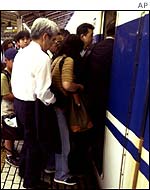
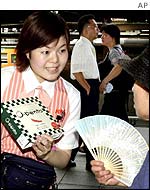
"The Japanese do not spray graffiti on station walls or put their feet on the seats and they queue up where they are supposed to on the platforms." There are other differences which the British traveller notices. Many train carriages are double-deckers, which allows for twice as many passengers to travel in comfort. Shinkansen drivers wear neat grey uniforms more redolent of airline pilots than the average scruffy British train driver. Food on board Japanese trains is an absolute joy. First class food On most long-distance British trains the passenger has to stagger through several carriages before finding a long queue at the front of which they are offered a limited range of wilted, over-priced and barely edible fare. In Japan you simply sit in your seat and wait for the neatly dressed, polite and friendly staff to pass through your carriage, which they do every 20 minutes or so. On entering they bow and say: "Ohayo Gozai-mas! (good morning)" before pushing their trolley of goodies down the carriage. Among the range of food on offer is the ekiben, a packed lunch with a difference.
Japanese rail fares are similar to the price of a British train ticket. But the difference, as Mr Knutton points out, is that the Japanese one is value for money. "The Japanese do not mind paying high fares when they receive a service which is clean, efficient, punctual and above all safe." | | See also:  04 Jul 02 | In Depth Top Asia-Pacific stories now: Links to more Asia-Pacific stories are at the foot of the page. | ||||||||||||||||||||||||||||||||||||||||||||||||||||||||||||||||||||||||||||||||||||||||||||||||||||||||||||||||||||||||||||||||||||||||||||||||||||||||||||||||||||||||||||
| |
|  E-mail this story to a friend E-mail this story to a friend |
| |
| Links to more Asia-Pacific stories |
| | | ||
 | ||||
 | | Back to top
| ||
| ---------------------------------------------------------------------------------- To BBC Sport>> | To BBC Weather>> | To BBC World Service>> ---------------------------------------------------------------------------------- © MMIII | News Sources | Privacy |