|
 |
 | | | | | | ||||||||||||||||||||||||||||||||||||||||||||||||||||||||||||||||||||||||||||||||||||||||||||||||||||||||||||||||||||||||||||||||||||||||||||||||||||||||||||||||||||||||
| | | You are in: Asia-Pacific | ||||||||||||||||||||||||||||||||||||||||||||||||||||||||||||||||||||||||||||||||||||||||||||||||||||||||||||||||||||||||||||||||||||||||||||||||||||||||||||||||||||||||||
|
| | Wednesday, 5 June, 2002, 07:56 GMT 08:56 UK Australia rejects Kyoto pact Australia is one of the world's biggest coal exporters Australia says it will not ratify the Kyoto pact on global warming unless the United States and developing countries get fully involved. Japan and the 15 countries of the European Union have ratified the protocol and Australia is under pressure to follow suit.
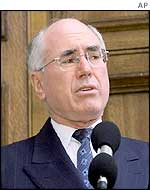
"For us to ratify the protocol would cost us jobs and damage our industry," Mr Howard told parliament. The Kyoto pact, signed in Japan in 1997, requires industrialised countries to reduce their greenhouse gas emissions by 8% of the 1990 levels between 2008 and 2012. Japan ratified the United Nations agreement on Tuesday, making it the 73rd signatory. The protocol needs to be ratified by nations that together account for 55% of global greenhouse gas emissions before it takes effect. But the agreement still only has support from countries responsible for 36% of gases. Australian doubt The US alone accounted for 36.1% of greenhouse emissions in 1990. But the world's biggest polluter opted out of the pact last year, arguing that its economic interests would be threatened. The 55% target is expected to be reached when Russia signs up later in the year, but many countries including Australia feel strongly that the protocol will not be meaningful without the participation of the US. At Kyoto, Australia - a big coal exporter - in fact won the right to increase its emissions by 8% above 1990 levels. But Mr Howard has argued the Kyoto pact would not work while it did not impose reduction targets on developing nations
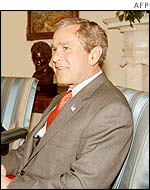
In a report released in the last few days the US Government has acknowledged for the first time that man-made pollution is largely to blame for global warming. But it has refused to shift its position on Kyoto. Countries supporting the protocol have been pushing for it to be ratified before the World Summit on Sustainable Development, which begins in Johannesburg in August. | |
See also:  04 Jun 02 | Asia-Pacific 03 Jun 02 | Americas 31 May 02 | Europe 17 May 02 | Science/Nature 16 Feb 02 | Americas 15 Feb 02 | Americas 14 Feb 02 | Americas 15 Feb 02 | Americas Internet links: The BBC is not responsible for the content of external internet sites Top Asia-Pacific stories now: Links to more Asia-Pacific stories are at the foot of the page. | ||||||||||||||||||||||||||||||||||||||||||||||||||||||||||||||||||||||||||||||||||||||||||||||||||||||||||||||||||||||||||||||||||||||||||||||||||||||||||||||||||||||||
| |
|  E-mail this story to a friend E-mail this story to a friend |
| |
| Links to more Asia-Pacific stories |
| | | ||
 | ||||
 | | Back to top
| ||
| ---------------------------------------------------------------------------------- To BBC Sport>> | To BBC Weather>> | To BBC World Service>> ---------------------------------------------------------------------------------- © MMIII | News Sources | Privacy |