|
 |
 | | | | | | ||||||||||||||||||||||||||||||||||||||||||||||||||||||||||||||||||||||||||||||||||||||||||||||||||||||||||||||||||||||||||||||||||||||||||||||||||||||||||||||||
| | | You are in: Asia-Pacific | ||||||||||||||||||||||||||||||||||||||||||||||||||||||||||||||||||||||||||||||||||||||||||||||||||||||||||||||||||||||||||||||||||||||||||||||||||||||||||||||||||
|
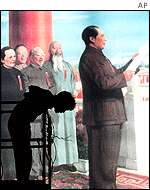
| | Tuesday, 21 May, 2002, 14:28 GMT 15:28 UK First capitalists at Chinese Communist congress China is preparing for a new generation of leaders The Chinese Communist Party in the southern province of Guangdong has made history by voting private entrepreneurs onto its powerful congress.
It means that private sector business leaders, once denounced as "capitalist roaders" and terrorised under Mao Zedong in the 1960s, are now seen as an important source of influence. This follows a policy shift by President Jiang Zemin last year when he said that if the Communist Party were to survive, it would have to recruit capitalists. The suggestion, part of the president's so-called "three representations" idea, attracted criticism from party elders who accused him of betraying the CPC's traditional support base. The newly-elected entrepreneurs are among 880 delegates at Guangdong's party congress, meeting in the provincial capital Guangzhou. Local congresses elect deputies to a national congress, due to be held in September or October, and which this year is expected to approve a replacement for President Jiang.
Other top leaders whose retirement from party posts is expected to be announced this year include Premier Zhu Rongji and parliament chief Li Peng. Increasing role China's private sector now accounts for more than half the country's economic output and employs 130m people, official statistics show. Guangdong province, which pioneered economic reforms in the 1980s, has one of the richest and most developed economies. Xinhua quoted Guangdong party chief Cai Dongshi as saying: "Electing delegates with non-public-ownership backgrounds to a CPC congress was incredible and impossible in the past, so the new faces have profound historical significance for the party". Although the Communist party is beginning to open its doors to private entrepreneurs, entry requirements remain stringent. Earlier this year Xinhua published a list of criteria for non-state businessmen who want to join the Communist Party. It said such people would have to abide by the country's laws, treat their employees fairly, and re-invest much of their profits to develop their businesses. In creating wealth, the official agency said, they should not forget to repay society. The agency also emphasised that no-one should be admitted to the party simply because of their wealth, fame, or how much money they had donated. | | See also:  28 Aug 01 | Asia-Pacific 01 Jul 01 | Asia-Pacific 06 Aug 01 | Asia-Pacific 01 Oct 99 | China 50 years of communism 02 Jul 01 | Asia-Pacific Internet links: The BBC is not responsible for the content of external internet sites Top Asia-Pacific stories now: Links to more Asia-Pacific stories are at the foot of the page. | ||||||||||||||||||||||||||||||||||||||||||||||||||||||||||||||||||||||||||||||||||||||||||||||||||||||||||||||||||||||||||||||||||||||||||||||||||||||||||||||||
| |
|  E-mail this story to a friend E-mail this story to a friend |
| |
| Links to more Asia-Pacific stories |
| | | ||
 | ||||
 | | Back to top
| ||
| ---------------------------------------------------------------------------------- To BBC Sport>> | To BBC Weather>> | To BBC World Service>> ---------------------------------------------------------------------------------- © MMIII | News Sources | Privacy |