|
 |
 | | | | | | |||||||||||||||||||||||||||||||||||||||||||||||||||||||||||||||||||||||||||||||||||||||||||||||||||||||||||||||||||||||||||||||||||||||||||||||||||||||||||||||||||||||||||||||||||||||||||||||||||||||||||||||||||||||||||||||||||||||||||||||||||||||||||||||||
| | | You are in: Americas | |||||||||||||||||||||||||||||||||||||||||||||||||||||||||||||||||||||||||||||||||||||||||||||||||||||||||||||||||||||||||||||||||||||||||||||||||||||||||||||||||||||||||||||||||||||||||||||||||||||||||||||||||||||||||||||||||||||||||||||||||||||||||||||||||||
|
| | Wednesday, 29 January, 2003, 19:47 GMT Analysis: Case against Iraq hardens  Iraqi soldiers are gearing up for war
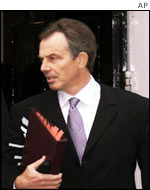
A new timetable is emerging for the diplomatic endgame over Iraq. This will develop, unless something changes, into a war. US President George W Bush and UK Prime Minister Tony Blair will seek to agree on the plan when they meet at Camp David on Friday. The British position has hardened up over the past few days to come into line with the American position. The UK Foreign Secretary, Jack Straw, has said for the first time that Iraq is in "material breach" of resolution 1441.
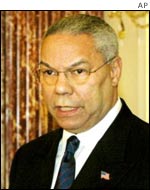
On 5 February, the US Secretary of State, Colin Powell, will present the American case against Iraq to the UN Security Council. On 14 February, the chief weapons inspectors Dr Hans Blix and Dr Mohammed ElBaradei are expected to make a further report. British officials indicate that there will be no moves to get a second UN resolution to specifically authorise force against Iraq before then. They say that it would be illogical to act before the inspectors have reported again.
However, if the inspectors say that nothing has changed, the second resolution might well be introduced immediately afterwards. Discussions would have to take place in the Security Council before any vote. The UK Government is quietly optimistic that it can get a second resolution passed if Iraq continues to fail the inspectors' tests. Russia has already begun to shift. The US and UK are prepared to act without a resolution if they think it necessary. Last chance Whether Iraq will be given a last, last chance and be set a deadline - some have spoken of 1 March - remains to be determined. In the meantime the troop build-up continues and at some stage, probably in March, the diplomatic course will run out and the military action will begin. The 5 February presentation will be designed to be the "Colin Powell moment" - comparable to the "Adlai Stevenson moment" in 1962, when photographic evidence showing Soviet missiles in Cuba was displayed.
Little of the evidence against Iraq is pictorial. Most of it is based on intelligence, including reports from defectors. Some of it is just inference, working out what material has not been properly accounted for. This is not as convincing as photographs. Eagerly awaited is any hard evidence to back up American and British claims of links between al-Qaeda and Iraq. Previously no such links have been demonstrated. Now, both Mr Bush and Mr Blair are making such claims, while both refuse to offer any supporting facts. The Foreign Office in London says simply that "there have been, and still are, some al-Qaeda operatives in parts of Iraq controlled by Baghdad". It gives no numbers or places. Sceptics about the case for war also point to a weakness in a claim made by President Bush in his State of the Union address. Illegal imports He said that Iraq had "attempted to purchase high strength aluminium tubes suitable for nuclear weapons production". In fact, what the chief nuclear inspector Dr ElBaradei reported on 27 January was that these tubes, which Iraq has admitted trying to import illegally, were consistent with the Iraqi claim that they were to be made into 81mm rockets. Dr ElBaradei said in his written report that "while it would be possible to modify such tubes for the manufacture of centrifuges, they are not directly suitable for such use". Mr Powell cannot afford to be so economical with the truth as Mr Bush if he is to have his moment. Another claim by Mr Bush that "The British government has learned that Saddam Hussein recently sought significant quantities of uranium from Africa" is also not quite the whole story. The government of Niger, named by the US State Department as the country concerned, has said that Iraq did ask for uranium in the 1980s but was refused. The UK Government dossier on Iraq did not use the word "recently", though it implied that it must have been, and did not support its claim with any evidence. | |
See also:  29 Jan 03 | Middle East 27 Jan 03 | Americas 26 Jan 03 | Politics Internet links: The BBC is not responsible for the content of external internet sites Top Americas stories now: Links to more Americas stories are at the foot of the page. | |||||||||||||||||||||||||||||||||||||||||||||||||||||||||||||||||||||||||||||||||||||||||||||||||||||||||||||||||||||||||||||||||||||||||||||||||||||||||||||||||||||||||||||||||||||||||||||||||||||||||||||||||||||||||||||||||||||||||||||||||||||||||||||||||
 | |
|  E-mail this story to a friend E-mail this story to a friend |
| |
| Links to more Americas stories |
| | | ||
 | ||||
 | | Back to top
| ||
| ---------------------------------------------------------------------------------- To BBC Sport>> | To BBC Weather>> | To BBC World Service>> ---------------------------------------------------------------------------------- © MMIII | News Sources | Privacy |