
|
 |
 | | | | | | |||||||||||||||||||||||||||||||||||||||||||||||||||||||||||||||||||||||||||||||||||||||||||||||||||||||||||||||||||||||||||||||||||||||||||||||||||||||||||||||||||||||||||||||||||||||||||||
| | | You are in: Americas | |||||||||||||||||||||||||||||||||||||||||||||||||||||||||||||||||||||||||||||||||||||||||||||||||||||||||||||||||||||||||||||||||||||||||||||||||||||||||||||||||||||||||||||||||||||||||||||||
|
| | Thursday, 16 January, 2003, 14:18 GMT Affirmative action: history of controversy  US schools had to be integrated by force
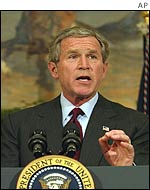
He issued a carefully crafted announcement that the White House would take a stand against the University of Michigan's admissions policy. The university takes race into account in granting places in an effort to increase minority representation.
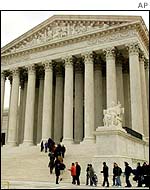
His use of the word "quota" is critical. In a deeply divided 1978 decision, the Supreme Court ruled that universities could not use quotas to ensure a minimum number of places for minority applicants - but that they could take race into account when making admissions decisions. Bakke The case, University of California Regents v Bakke, was brought by Allen Bakke, a white applicant who argued that he had been passed over in favour of less qualified minority applicants. The university's medical school reserved 16% of its places for minority applicants. Four Supreme Court justices said that the use of quotas to overcome discrimination was permitted under the Constitution.
The last judge, Lewis Powell, said that quotas were unconstitutional but that race could be taken into account when making admissions decisions. That position has been the basis of admissions policies at many competitive US universities ever since. The University of Michigan says its admissions are not based on quotas and that Mr Bush has misunderstood its system. The Michigan case now before the Supreme Court is almost certain to establish a new precedent one way or another, legal experts on both sides of the case say. 'Historic decision' "No matter how the majority rules, the court now can't help but make a historic decision," Terence Pell, chief executive of the Center for Individual Rights, which represents the white students in the case, told the Washington Post.
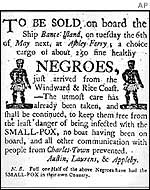
The Michigan decision will "represent the most significant civil rights cases the Supreme Court will have decided in the last quarter century," he told the newspaper. It is hard to predict which way the court will rule. As in 1978, there are likely to be four justices on each side of the case, with the remaining judge, Sandra Day O'Connor, casting the deciding vote. However the court rules, its decision will be only the latest episode in the debate on how to deal with the legacy of discrimination in the US. End of slavery It has been raging for nearly 150 years, since the end of slavery in 1865. In the wake of the Civil War, the 13th, 14th and 15th amendments to the US Constitution aimed to provide equal rights for African-Americans. One of the Supreme Court's most notable interventions came in 1896, when it ruled in Plessy v Ferguson that African-Americans could be barred from whites-only institutions as long as they had access to equal facilities.
Then the Supreme Court changed tack in the historic case Brown v Board of Education, ruling in 1954 that "separate is inherently unequal". The case led the way to desegregation of schools throughout the South, which had to be backed by government military intervention in some cases. 'Affirmative action' John F Kennedy introduced the phrase "affirmative action" in a 1961 executive order about government contracts. "The Contractor will take affirmative action to ensure that applicants are employed, and that employees are treated during employment, without regard to their race, creed, colour or national origin," Kennedy ordered. Four years later, President Lyndon Johnson argued that a race-neutral policy was not sufficient to overcome discrimination. "You do not take a person who for years has been hobbled by chains and liberate him... and then say 'You're free to compete with all the others' and still justly believe that you have been completely fair," he said in a commencement speech at the largely African-American Howard University.
But by the 1970s, some whites were beginning to feel that affirmative action amounted to reverse discrimination. Bakke put limits on how far universities could go to reserve places for minority students. The Michigan decision - which will be argued in the spring, with a ruling likely to follow by July - looks set to be the latest landmark in the ongoing battle. | | 
 See also: 15 Jan 03 | Americas 15 Jan 03 | Americas 14 Jan 03 | Americas 20 Dec 02 | Americas 26 Jun 01 | Americas 25 Jul 00 | Education Internet links: The BBC is not responsible for the content of external internet sites Top Americas stories now: Links to more Americas stories are at the foot of the page. | |||||||||||||||||||||||||||||||||||||||||||||||||||||||||||||||||||||||||||||||||||||||||||||||||||||||||||||||||||||||||||||||||||||||||||||||||||||||||||||||||||||||||||||||||||||||||||||
 | |
|  E-mail this story to a friend E-mail this story to a friend |
| |
| Links to more Americas stories |
| | | ||
 | ||||
 | | Back to top
| ||
| ---------------------------------------------------------------------------------- To BBC Sport>> | To BBC Weather>> | To BBC World Service>> ---------------------------------------------------------------------------------- © MMIII | News Sources | Privacy |






 Quota systems that use race to include or exclude people from higher education... are divisive, unfair and impossible to square with the Constitution
 63.85%
  36.15%