
|
 |
 | | | | | | ||||||||||||||||||||||||||||||||||||||||||||||||||||||||||||||||||||||||||||||||||||||||||||||||||||||||||||||||||||||||||||||||||||||||||||||||||||||||||||||||||||||||||||||||||||||||||||||||||||||||||||||||||
| | | You are in: Americas | ||||||||||||||||||||||||||||||||||||||||||||||||||||||||||||||||||||||||||||||||||||||||||||||||||||||||||||||||||||||||||||||||||||||||||||||||||||||||||||||||||||||||||||||||||||||||||||||||||||||||||||||||||||
|
| | Wednesday, 1 January, 2003, 09:17 GMT Iraq crisis reflects global US strategy  Mr Bush appears in no mood for compromise
On the other hand, there is less agreement about what lies behind the policy.
But Washington's approach to Iraq illuminates something much broader - the global strategy of the Bush administration. Its most obvious manifestation has been President Bush's war on terrorism, jolted into life by the galvanic shock of the 11 September attacks. That became the first strand of Washington's grand strategy, as analysed recently in the diplomatic monthly of the French newspaper, Le Monde. Unconvincing threat The war on terror was then extended - many would say unconvincingly - to Iraq and other states in the rogues' gallery which might supply weapons of mass destruction to terrorists.
It is commonly said that the US' real aim in wishing to remove Saddam Hussein is to get control of Iraq's huge oil reserves. However important this motive is in the minds of those around Mr Bush, it can certainly be argued that the second strand in their global strategy is to secure greater supplies of foreign oil. An energy report by Vice-President Dick Cheney 18 months ago forecast that American oil imports would have to rise by more than half by 2020 - partly, of course, because the administration is not much interested in reducing consumption. Energy needs The report recommended increasing imports from the Gulf, but also diversifying sources of supply to the Caspian Sea basin, Latin America and sub-Saharan Africa. This effort is now a reality.
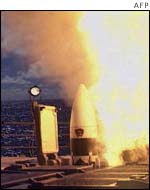
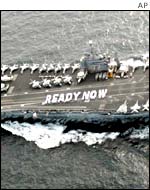
Securing foreign oil and fighting the war on terror require many instruments, including the unrelenting use of American political influence and commercial weight. But the most obvious tool is the military one. And the heart of the third strand of Washington's strategy is to transform the American armed forces and ensure military pre-eminence for the United States into the far future. Missile defence is supposed to make Americans invulnerable at home, while mobile forces equipped with hi-tech weapons project power across the world. That has become all the more important because of the emphasis on acting before potential threats become actual - a key argument for going to war against Iraq. Guiding principles In the Bush military doctrine, pre-emptive action has been elevated to a cardinal principle. The three strands of the global strategy intertwine.
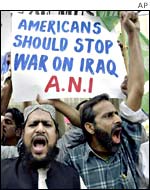
Then there is the military training the Americans are giving to the Georgian armed forces - to help them fight terrorists, yes, but it is not coincidental that a new oil pipeline is planned through Georgia. The structure of Washington's global strategy has a pleasing logic to it. But there are dangers. The George Bush who before 11 September used to call for less military involvement abroad now sets no limit on such operations. Where is the exit strategy? - as his Secretary of State, Colin Powell, used to say. Complex military operations in unstable regions could simply provoke more disorder and anti-American violence. Muslim backlash They could, as is often argued, simply increase the pool of recruits for al-Qaeda. Invading Iraq might in the long term make Middle East oil supplies less, not more, secure.
Some hardliners favour going beyond toppling Saddam Hussein to remove two other governments accused of supporting terrorists - in Syria and Iran. One motive for this scheme would be to eliminate any possible remaining threat to Israel. But a more high-minded ambition inspires some - that the United States should remake the whole Middle East in its own democratic image. Those who see the policy in these terms have been labelled democratic imperialists - or fantasists by their opponents. After all, European attempts to redraw the map of the Middle East in the 20th Century were pretty disastrous. George W Bush himself, it should be said, has in practice been cautious up to now. But the picture of Iraqis dancing in the streets as the Americans liberate Baghdad is a beguiling one. That might indeed be the first reaction. But would it last? Do the visionaries in Washington really believe that a democratic Saudi Arabia would love America more? | |

 See also: 20 Dec 02 | Americas Internet links: The BBC is not responsible for the content of external internet sites Top Americas stories now: Links to more Americas stories are at the foot of the page. | ||||||||||||||||||||||||||||||||||||||||||||||||||||||||||||||||||||||||||||||||||||||||||||||||||||||||||||||||||||||||||||||||||||||||||||||||||||||||||||||||||||||||||||||||||||||||||||||||||||||||||||||||||
 | |
|  E-mail this story to a friend E-mail this story to a friend |
| |
| Links to more Americas stories |
| | | ||
 | ||||
 | | Back to top
| ||
| ---------------------------------------------------------------------------------- To BBC Sport>> | To BBC Weather>> | To BBC World Service>> ---------------------------------------------------------------------------------- © MMIII | News Sources | Privacy |






 The structure of Washington's global strategy has a pleasing logic to it. But there are dangers


 58.14%
  41.86%