|
 |
 | | | | | | |||||||||||||||||||||||||||||||||||||||||||||||||||||||||||||||||||||||||||||||||||||||||||||||||||||||||||||||||||||||||||||||||||||||||||||||||||||||||||||||||||||||||||||||||||||||||||||||||||||||||||||||||
| | | You are in: Americas | |||||||||||||||||||||||||||||||||||||||||||||||||||||||||||||||||||||||||||||||||||||||||||||||||||||||||||||||||||||||||||||||||||||||||||||||||||||||||||||||||||||||||||||||||||||||||||||||||||||||||||||||||||
|
| | Friday, 8 November, 2002, 16:39 GMT US Gulf build-up unabated 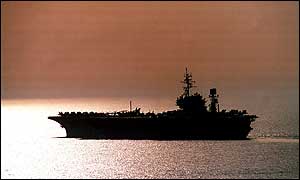 Up to five US carriers could be deployed in the Gulf
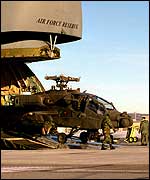
The Pentagon has continued to stream in the kind of heavy equipment that could not quickly be rushed to the region at the last minute - for example a detachment of Apache attack helicopters being based in Kuwait. Large cargo ships of the US Military Sealift Command are also transporting large amounts of extra equipment to the region. The US Navy's deployment plans for its aircraft carriers are also still on course to allow up to four or five of these ships to be in the region by the end of the year.
That could be crucial, given the uncertainty over what access the US might have to local air bases. Two carriers are headed to the area at the moment. The USS Constellation has just left the US west coast. And the USS Harry S Truman has just completed its final training exercises prior to deployment from the east coast. The USS Kitty Hawk, based in Japan, is also available. So far, analysts have been looking to see if any of these deployments were being accelerated. The issue now may be whether any of them are delayed, or put on hold.
But, according to senior defence officials, an important barometer of current Pentagon thinking is that the planned headquarters exercise in Qatar, involving US Central Command, which would oversee any conflict with Iraq, is going ahead as scheduled at the end of this month. It is not being pushed forward - nor, perhaps just as significantly, is it being delayed at this stage. Prepared for quick action But hardware and headquarters staff are one thing. The preparations for deploying actual combat personnel may be another. The number of US military personnel in and around the Gulf has remained pretty constant for some time, at around 60,000. Nine and a half thousand of those are in Afghanistan. The Pentagon is anxious not to have troop reinforcements languishing in the region for a long period. So, with the prospects of a new UN inspections process that could take weeks or months, one senior defence official has suggested that troop formations are being told quietly that their preparations for possible deployment may not have to be quite as urgent as they might once have thought. But the Pentagon still wants to be in a position to respond quickly if the UN process collapses. It is a difficult balancing act. | |
See also:  08 Nov 02 | Middle East 08 Nov 02 | Americas 08 Nov 02 | Middle East 07 Nov 02 | Americas Internet links: The BBC is not responsible for the content of external internet sites Top Americas stories now: Links to more Americas stories are at the foot of the page. | |||||||||||||||||||||||||||||||||||||||||||||||||||||||||||||||||||||||||||||||||||||||||||||||||||||||||||||||||||||||||||||||||||||||||||||||||||||||||||||||||||||||||||||||||||||||||||||||||||||||||||||||||
| |
|  E-mail this story to a friend E-mail this story to a friend |
| |
| Links to more Americas stories |
| | | ||
 | ||||
 | | Back to top
| ||
| ---------------------------------------------------------------------------------- To BBC Sport>> | To BBC Weather>> | To BBC World Service>> ---------------------------------------------------------------------------------- © MMIII | News Sources | Privacy |