|
 |
 | | | | | | ||||||||||||||||||||||||||||||||||||||||||||||||||||||||||||||||||||||||||||||||||||||||||||||||||||||||||||||||||||||||||||||||||||||||||||||||||||||||||||||||||||||||||
| | | You are in: Americas | ||||||||||||||||||||||||||||||||||||||||||||||||||||||||||||||||||||||||||||||||||||||||||||||||||||||||||||||||||||||||||||||||||||||||||||||||||||||||||||||||||||||||||||
|
| | Thursday, 29 August, 2002, 08:04 GMT 09:04 UK Clampdown on terror funds 'stalled' 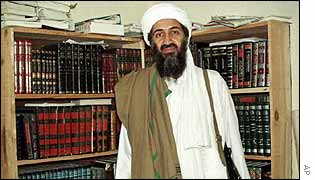 Al-Qaeda is said to still have millions of dollars in funds The worldwide to campaign to cut off funding to Osama bin Laden's al-Qaeda network has stalled, the Washington Post newspaper reports. The group, blamed for the 11 September attacks on the United States, continues to benefit from millions of dollars in fresh funding, the newspaper says, quoting a new UN study.
The panel which compiled the report blames strict European regulations, a shift by al-Qaeda to less traceable sources of income, and lax border controls for the failure to halt the organisation's funding. "Despite initial successes in locating and freezing [al-Qaeda assets]... [the network] continues to have access to considerable financial and other economic resources," the newspaper quotes the report as saying. "Al-Qaeda is by all accounts 'fit and well' and poised to strike again at its leisure," the report is said to state. Evasive methods The drive to sever al-Qaeda from its sources of revenue was led by the United States in the aftermath of the September attacks.
It was backed by a UN Security Council resolution, which required UN members to seize the assets of groups on a UN list of suspected supporters of al-Qaeda. The Washington Post cites the report as having found that al-Qaeda has circumvented the clampdown by diverting its assets into precious metals and gems. It also uses an largely-untraceable network, known as hawalas, to exchange money, and receives funding from illegal activities such as smuggling, robbery and credit card fraud. The report says al-Qaeda still has up to $300m in funds, managed by financial backers in North Africa, the Middle East and Asia, while private donations of about $16m a year have not been halted. Poor compliance The monitoring group blames poor compliance from European countries for the failure to shut down the network's funding, according to the Washington Post. It quotes "stringent evidentiary standards" required by European governments before they will seize an individual's assets and cites failure to track suspected al-Qaeda supporters across European borders. European countries have also faced legal challenges from individuals on the watch list to the freezing of their assets, the report is said to have found. In at least two cases, European countries have released previously frozen assets of individuals suspected of links with al-Qaeda because of banking regulations and the rule of law. | |
See also:  12 Mar 02 | Americas 23 Aug 02 | Business 12 Apr 02 | Business 07 Nov 01 | Business 25 Apr 02 | Business 19 Oct 01 | Business Internet links: The BBC is not responsible for the content of external internet sites Top Americas stories now: Links to more Americas stories are at the foot of the page. | ||||||||||||||||||||||||||||||||||||||||||||||||||||||||||||||||||||||||||||||||||||||||||||||||||||||||||||||||||||||||||||||||||||||||||||||||||||||||||||||||||||||||||
| |
|  E-mail this story to a friend E-mail this story to a friend |
| |
| Links to more Americas stories |
| | | ||
 | ||||
 | | Back to top
| ||
| ---------------------------------------------------------------------------------- To BBC Sport>> | To BBC Weather>> | To BBC World Service>> ---------------------------------------------------------------------------------- © MMIII | News Sources | Privacy |