|
 |
 | | | | | | ||||||||||||||||||||||||||||||||||||||||||||||||||||||||||||||||||||||||||||||||||||||||||||||||||||||||||||||||||||||||||||||||||||||||||||||||||||||||||||||||
| | | You are in: Americas | ||||||||||||||||||||||||||||||||||||||||||||||||||||||||||||||||||||||||||||||||||||||||||||||||||||||||||||||||||||||||||||||||||||||||||||||||||||||||||||||||||
|
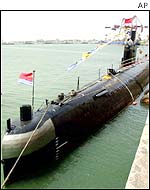
| | Tuesday, 16 July, 2002, 13:43 GMT 14:43 UK New US sonars 'may harm whales' 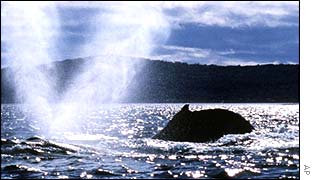 Environmentalists fear whales will be particularly affected The United States Government has authorised the Navy to use a powerful new sonar system to detect submarines, despite concerns that it could harm whales and dolphins.
The Commerce Department's National Marine Fisheries Service said in a statement that with proper monitoring "marine mammals are unlikely to be injured by the sonar activities". But environmentalists say whales and dolphins will be particularly vulnerable to sonar interference, because they rely heavily on sound for communication, feeding and migration. They say the recent use of a similar system in a naval exercise off the Bahamas forced whales and dolphins to beach themselves, and that the animals had injuries consistent with being exposed to loud sounds. "The Bush administration has issued a blank cheque for the global use of this system," Michael Jasny, policy analyst from the Natural Resources Defense Council, told the Associated Press news agency. "Today's decision is far too broad to provide any meaningful protection for whales, dolphins and other marine life." Fears The US says the Surtass LFA - capable of transmitting signals as powerful as 215 decibels - is vital to national security, because other nations such as Russia, China and Germany are developing new super-quiet submarines.
The new sonars will be used on two US warships, capable of covering 80% of the world oceans. But officials say they will require the personnel to use special protective measures such as a visual scan for marine mammals and shutting down the sonar if the animals are detected. They also say the detection will be almost 100% effective from a distance of 1.1 nautical miles (2 kilometres), and that the use of the sonars would be restricted to at least 12 nautical miles (22km) from a coastline. But some scientists believe whales are affected by sounds louder than 110 decibels, and that a whale's eardrums could explode at 180 decibels. They also point out that at least 16 whales beached themselves in March 200 - just hours after the US Navy tested similar powerful sonars near the Bahamas. | | See also:  08 Jan 02 | Science/Nature 04 Oct 01 | Science/Nature 29 Nov 00 | Science/Nature 22 Jun 00 | Science/Nature 05 Jan 01 | Science/Nature 11 Oct 01 | Science/Nature 10 Feb 01 | In Depth Internet links: The BBC is not responsible for the content of external internet sites Top Americas stories now: Links to more Americas stories are at the foot of the page. | ||||||||||||||||||||||||||||||||||||||||||||||||||||||||||||||||||||||||||||||||||||||||||||||||||||||||||||||||||||||||||||||||||||||||||||||||||||||||||||||||
| |
|  E-mail this story to a friend E-mail this story to a friend |
| |
| Links to more Americas stories |
| | | ||
 | ||||
 | | Back to top
| ||
| ---------------------------------------------------------------------------------- To BBC Sport>> | To BBC Weather>> | To BBC World Service>> ---------------------------------------------------------------------------------- © MMIII | News Sources | Privacy |