|
 |
 | | | | | | |||||||||||||||||||||||||||||||||||||||||||||||||||||||||||||||||||||||||||||||||||||||||||||||||||||||||||||||||||||||||||||||||||||||||||||||||||||||||||||||
| | | You are in: Americas | |||||||||||||||||||||||||||||||||||||||||||||||||||||||||||||||||||||||||||||||||||||||||||||||||||||||||||||||||||||||||||||||||||||||||||||||||||||||||||||||||
|
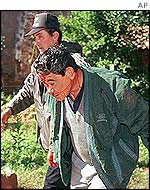
| | Tuesday, 16 July, 2002, 02:04 GMT 03:04 UK Bloody protests grip Paraguay The protesters are calling for the president to step down Paraguay's president has declared a state of emergency amid violent anti-government protests which have left two people dead and dozens injured.
Police have used rubber bullets, tear gas and water cannon to break up protests in the capital of Asuncion, as well as in the cities of Encarcion and Ciudad del Este, where two people died and others - including an 11-year-old - were being treated for bullet wounds. The riots are the most violent in a series of protests against free market policies in the poverty-stricken South American country, which has been hit by the economic crisis in neighbouring Argentina and Brazil's slumping economy. The protesters want the resignation of Mr Gonzalez Macchi, who came to power in 1999 after the then president resigned following days of street rioting over a high-level assassination. The country has suffered from chronic political instability ever since a 35-year military dictatorship ended in 1989. Backlash The government has blamed the protests on supporters of Lino Oviedo, a former general living in self-imposed exile in Brazil who is accused of masterminding several coup attempts since 1996.
Correspondents say the wave of unrest is the most severe test to date for Mr Gonzalez Macchi, who is struggling to overcome a burgeoning economic crisis. A series of corruption scandals have added to his woes. The main opposition Liberal Party, which fields the country's vice president, said it supported the protesters, and encouraged its followers to take part in the demonstrations. The people were fed up with "the corruption of the government and the misery to which the nation is subjected", said Vice President Julio Cesar Franco. The Paraguay backlash against free market policies follows a trend in several South American nations, which have been under pressure from the International Monetary Fund to carry out strict reforms in exchange for loans. In Brazil, a left-winger is leading opinion polls before October's presidential elections, while Peru has suspended privatisations following violent protests. | | See also:  16 Jul 02 | Business 28 Jun 02 | Business 17 Jun 02 | Americas 08 Mar 01 | Americas 21 Mar 02 | Americas 07 Mar 02 | Country profiles 16 Jul 02 | Americas Internet links: The BBC is not responsible for the content of external internet sites Top Americas stories now: Links to more Americas stories are at the foot of the page. | |||||||||||||||||||||||||||||||||||||||||||||||||||||||||||||||||||||||||||||||||||||||||||||||||||||||||||||||||||||||||||||||||||||||||||||||||||||||||||||||
| |
|  E-mail this story to a friend E-mail this story to a friend |
| |
| Links to more Americas stories |
| | | ||
 | ||||
 | | Back to top
| ||
| ---------------------------------------------------------------------------------- To BBC Sport>> | To BBC Weather>> | To BBC World Service>> ---------------------------------------------------------------------------------- © MMIII | News Sources | Privacy |