|
 |
 | | | | | | ||||||||||||||||||||||||||||||||||||||||||||||||||||||||||||||||||||||||||||||||||||||||||||||||||||||||||||||||||||||||||||||||||||||||||||||||||||||||||||||||||||||||||
| | | You are in: Americas | ||||||||||||||||||||||||||||||||||||||||||||||||||||||||||||||||||||||||||||||||||||||||||||||||||||||||||||||||||||||||||||||||||||||||||||||||||||||||||||||||||||||||||||
|
| | Monday, 1 July, 2002, 11:02 GMT 12:02 UK US fears persecution The US role in Afghanistan is fighting not peacekeeping
The United States regards the International Criminal Court as a potential weapon to be used by its opponents. But the court's supporters regard it as a potential weapon in the application of the principles of international law. The court will have the right to prosecute crimes of genocide, crimes against humanity and war crimes committed by a citizen of - or anyone in - any state which has ratified the Rome Treaty. For the Americans, the court has come to symbolise all that is wrong with the conduct of international relations. The very power which its supporters say makes the court important - the power to hold individuals to account for war crimes - means, in American eyes, the power to persecute the most powerful country which has the largest responsibilities for international security.
Americans fear that US soldiers on peacekeeping duties would face politically-inspired prosecutions. They will not accept this, especially at a time when those soldiers might be called on to support the declared war on terrorism. It is the fighting of this war on terrorism which has hardened the American view. The Bush administration has formed the view that, whatever anyone else thinks, it has to carry on, if necessary alone. Both Houses of Congress are opposed to the court. Cold War Since the Senate has to approve any treaty entered into by an administration, there is no way of getting the United States to enforce it. Even former President Bill Clinton, who originally accepted it, changed his mind. President George W Bush has always been against it. The US is not alone in its refusal to ratify the treaty. Russia and China have not agreed to it and Israel has even greater objections than the US.
They think that what happened in places like Bosnia and Rwanda demands some proper legal structure to deter and punish offenders. ICC supporters point out that the US led the prosecution of Nazi war criminals and has been keen to bring alleged war criminals in Bosnia to justice. They ask why America now refuses to accept the logic which says that ad hoc courts should develop into something permanent. The British International Development Secretary, Clare Short, said: "The rest of us think that as the world integrates and globalises we need more and more rules that apply equally to everyone."
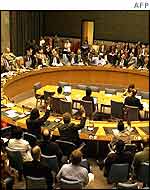
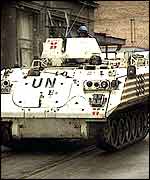
Washington is demanding a guarantee from the Security Council that its troops and citizens will not be subject to the court's jurisdiction. Even America's closest allies - including Britain - are unwilling to have the court stripped of such powers. The American UN Ambassador, John Negroponte, has hinted that Washington might stop 14 other UN peacekeeping operations from East Timor to Cyprus if its demands are not met. He stated his government's opposition to the court in stark terms. "With our global responsibilities we are and remain a special target and cannot have our decisions second guessed by a court whose jurisdiction we do not recognise," he said. If a solution is not found, then in future the United States may simply not take part in such operations. There is already a precedent - Afghanistan. There, the US does not participate in the peacekeeping force in Kabul, though it does provide air transport and has promised to extract the force if it should get into trouble. The American role in Afghanistan is not peacekeeping - it is war fighting. That could provide a model. The Americans would do the fighting and the UN would do the follow up. It is not how the UN is supposed to work, but reality often has to be faced in world affairs. | | See also:  01 Jul 02 | In Depth 20 Jun 02 | Business 06 May 02 | Americas 06 May 02 | Americas 11 Apr 02 | In Depth 11 Apr 02 | Americas 11 Apr 02 | Europe 24 May 02 | Country profiles Internet links: The BBC is not responsible for the content of external internet sites Top Americas stories now: Links to more Americas stories are at the foot of the page. | ||||||||||||||||||||||||||||||||||||||||||||||||||||||||||||||||||||||||||||||||||||||||||||||||||||||||||||||||||||||||||||||||||||||||||||||||||||||||||||||||||||||||||
| |
|  E-mail this story to a friend E-mail this story to a friend |
| |
| Links to more Americas stories |
| | | ||
 | ||||
 | | Back to top
| ||
| ---------------------------------------------------------------------------------- To BBC Sport>> | To BBC Weather>> | To BBC World Service>> ---------------------------------------------------------------------------------- © MMIII | News Sources | Privacy |