|
 |
 | | | | | | ||||||||||||||||||||||||||||||||||||||||||||||||||||||||||||||||||||||||||||||||||||||||||||||||||||||||||||||||||||||||||||||||||||||||||||||||||||||||||||||||||||||||||||||||||||||||||||||||||
| | | You are in: Americas | ||||||||||||||||||||||||||||||||||||||||||||||||||||||||||||||||||||||||||||||||||||||||||||||||||||||||||||||||||||||||||||||||||||||||||||||||||||||||||||||||||||||||||||||||||||||||||||||||||||
|
| | Monday, 24 June, 2002, 17:50 GMT 18:50 UK US court overturns death sentences The fate of at least 150 killers could be affected The US Supreme Court has overturned death sentences against dozens of convicted killers, ruling that juries and not judges must make the decisions.
Their death sentences could now be commuted to life imprisonment. About 3,700 people currently await execution across the United States, although most of them will still be put to death. The court ruled that a sentence imposed by a judge violates a defendant's constitutional right to a trial by jury. The states affected have previously allowed juries only to determine the guilt or innocence of defendants, while judges decided whether there were aggravating factors meriting the death penalty.
Opponents of the death penalty are delighted, particularly as this is the second Supreme Court verdict curbing the use of capital punishment in less than a week. On Thursday, the court ruled that executing mentally disabled killers was unconstitutional because it was "cruel and unusual" punishment. Restricting move The two decisions do not mean that the Supreme Court justices are moving towards outlawing the death penalty, says the BBC's Washington correspondent Justin Webb. But they are showing a willingness to curb its use where legal or social arguments are compelling, he says. Monday's Supreme Court ruling will immediately apply in that state and in Idaho and Montana, where a single judge decides the sentence.
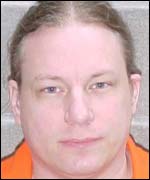
It will also apply immediately in Colorado and Nebraska, where a panel of judges makes the sentencing decision. In four other states - Alabama, Delaware, Florida and Indiana - where juries make sentencing recommendations, but judges have the final decision, death-row inmates may also challenge their sentences. Ring v Arizona The Supreme Court was considering the case of an Arizona inmate, which rested on the fact that nine of the 38 states which retain the death penalty leave sentencing up to judges, rather than jurors. The ruling is a victory for Timothy Stuart Ring, who was sentenced to death by an Arizona judge for the 1994 killing of a security guard in Phoenix. After the verdict, the jury was discharged. The judge at a separate hearing said Ring deserved the death penalty after finding two aggravating circumstances - committing the murder for financial gain and carrying it out in an especially heinous way. Ring's lawyers argued the Arizona death penalty law was put in doubt by a Supreme Court ruling two years ago that overturned a hate crime sentence imposed by a judge on a New Jersey man. Three Florida death row inmates - Amos King, Linroy Bottoson and Robert Trease - were given a stay of execution pending the outcome of Ring v Arizona. | |
See also:  30 May 02 | Americas 20 Jun 02 | Americas 29 May 02 | Americas 28 Mar 02 | England 15 Aug 01 | Americas Internet links: The BBC is not responsible for the content of external internet sites Top Americas stories now: Links to more Americas stories are at the foot of the page. | ||||||||||||||||||||||||||||||||||||||||||||||||||||||||||||||||||||||||||||||||||||||||||||||||||||||||||||||||||||||||||||||||||||||||||||||||||||||||||||||||||||||||||||||||||||||||||||||||||
| |
|  E-mail this story to a friend E-mail this story to a friend |
| |
| Links to more Americas stories |
| | | ||
 | ||||
 | | Back to top
| ||
| ---------------------------------------------------------------------------------- To BBC Sport>> | To BBC Weather>> | To BBC World Service>> ---------------------------------------------------------------------------------- © MMIII | News Sources | Privacy |