|
 |
 | | | | | | |||||||||||||||||||||||||||||||||||||||||||||||||||||||||||||||||||||||||||||||||||||||||||||||||||||||||||||||||||||||||||||||||||||||||||||||||||||||||||||||||||||||||||||||||||||||||||||
| | | You are in: Americas | |||||||||||||||||||||||||||||||||||||||||||||||||||||||||||||||||||||||||||||||||||||||||||||||||||||||||||||||||||||||||||||||||||||||||||||||||||||||||||||||||||||||||||||||||||||||||||||||
|
| | Monday, 17 June, 2002, 14:20 GMT 15:20 UK Pre-emption - new US policy on Iraq The US is working to preempt military or security threats
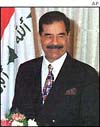
All the signs from Washington indicate that the Bush Administration is eager to find some covert means of toppling Saddam Hussein. It has been reported that earlier this year President George Bush issued an order directing the CIA to undertake a secretive campaign to get rid of the Iraqi leader. Its all part of a much more assertive and proactive stance towards both international terrorism and countries that the United States believes are developing weapons of mass destruction.
The president first unveiled this new approach at a speech earlier this month at the US Military Academy at West Point. His comments, though inevitably vague, signalled a fundamental shift in the whole US approach towards military action. The president is clearly right in thinking that old Cold War theories like nuclear deterrence are far less relevant to the current security agenda facing Washington. Military options But it is by no means clear that pre-emption as an organising principle is necessarily the cure-all for the very real security dilemmas posed by a country like Iraq.
That, though, is no longer seen by President Bush's closest advisors as being sufficient. There has been a lot of talk about military intervention to force a regime change. All of the options have been extensively discussed, ranging from full-scale invasion - a sort of Desert Storm Mark II - to an approach modelled more on the Afghan experience linking Special Forces troops with Saddam Hussein's opponents on the ground. Full-scale invasion would require time to build up forces and compliant regional allies. Unanswered questions The "Afghan" model would require an effective opposition movement inside Iraq, something that most experts believe simply does not exist. The clandestine approach suffers from the same short-comings. The goal may be clear but what exactly are the methods that are to be used? Is a palace coup to be promoted? Might sections of the army be encouraged to depose the Iraqi leader? Just who is left in the country who might effectively take on Saddam and his security apparatus? Then there is the "what next?" problem. Who is going to go into Iraq to hold the ring once the regime collapses? And what international support is there going to be for such an effort? Drawbacks This question of wider international support is one of the fundamental dilemmas of the pre-emptive approach - by clandestine or open means - it makes little difference. At the rhetorical level at least this "new" US approach smacks of extreme unilateralism - Washington taking matters into its own hands. There is no necessary reason why pre-emptive or covert operations should not be conducted after careful soundings of key allies. But that is not the way this new policy seems to be developing. And the drawbacks of such an approach remain considerable, however enticing it may be to Pentagon insiders, frustrated at their inability to grapple with long-standing security problems. | |
See also:  17 Jun 02 | Middle East 07 Jun 02 | Middle East 07 Mar 02 | Middle East Internet links: The BBC is not responsible for the content of external internet sites Top Americas stories now: Links to more Americas stories are at the foot of the page. | |||||||||||||||||||||||||||||||||||||||||||||||||||||||||||||||||||||||||||||||||||||||||||||||||||||||||||||||||||||||||||||||||||||||||||||||||||||||||||||||||||||||||||||||||||||||||||||
| |
|  E-mail this story to a friend E-mail this story to a friend |
| |
| Links to more Americas stories |
| | | ||
 | ||||
 | | Back to top
| ||
| ---------------------------------------------------------------------------------- To BBC Sport>> | To BBC Weather>> | To BBC World Service>> ---------------------------------------------------------------------------------- © MMIII | News Sources | Privacy |