|
 |
 | | | | | | ||||||||||||||||||||||||||||||||||||||||||||||||||||||||||||||||||||||||||||||||||||||||||||||||||||||||||||||||||||||||||||||||||||||||||||||||||||||||||||||||||||||||||
| | | You are in: Americas | ||||||||||||||||||||||||||||||||||||||||||||||||||||||||||||||||||||||||||||||||||||||||||||||||||||||||||||||||||||||||||||||||||||||||||||||||||||||||||||||||||||||||||||
|
| | Monday, 20 May, 2002, 21:43 GMT 22:43 UK Life under an embargo Most Cubans would like an improvement in US relations
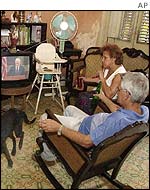
The 40-year US trade embargo against Cuba is a feature of daily life for nearly all those living on the island.
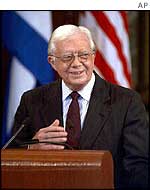
It is mentioned in almost every political speech and is blamed for the country's shattered economy, which limps along, providing the bare essentials but not much else. Former US President Jimmy Carter provided an alternative view to the official state line on the embargo when he visited Cuba last week. He said it was not the prime cause of all the country's ills, that Cuba traded with more than 100 countries and that it was cheaper to buy many medicines from Mexico than it was from the United States. Improvement in relations Mr Carter said the embargo was more an infringement of the rights of Americans who were unable to trade freely with companies of their choice.
But it is a cause behind which Cuban President Fidel Castro has united the Cuban people for more than 40 years. It has long been suspected that while railing against it, he actually supports the embargo, which Cuba calls a blockade. But that is for the politicians. Most Cubans would like to see an improvement in relations with the United States and at least an easing of the embargo - but not on terms laid out by President Bush. 'Special period' After the collapse of the Soviet Union, on which Cuba had relied for most of its political and economic support, the Caribbean island, just 140 km (90 miles) from US shores, was plunged into what it called its Special Period. There were shortages of everything. The US dollar, which circulated on the black market, was legalised in 1993 and the government turned to tourism to finance its survival. Most Cubans continue to earn in Cuban pesos. All are given a ration book which provides them with rice, beans, bread and a little meat. Fruit and vegetables are sold in pesos. But almost everything else is sold in dollars and dollars are what everyone wants. Tourism has provided the main source, and well-trained doctors and scientists are increasingly leaving their prestigious but poorly paid state jobs to work as taxi drivers or waiters where their dollar tips can keep a large family afloat. US shipments After Hurricane Michelle cut a swathe through the centre of Cuba last November, wreaking havoc on the economy, the US did relax the terms of the embargo. The first shipments of US food for 40 years docked in Havana Bay. They were carrying frozen chicken, lard and corn. More followed, and the Cubans have paid promptly, refusing an initial offer of aid. It is a trickle while Cubans need a flood. But they cannot afford to pay, although no-one is quite sure just how weak the economy is. No-one in Cuba is starving. Hospitals and schools continue to function better than most in the rest of Latin America, although there is always a shortage of books, medicines and spare parts for machinery. Potent symbol Nothing is thrown away, everything is recycled.
They are kept going despite no spare parts, legally at least, arriving from US factories. They break down frequently, but Cubans have become masters of improvisation, using parts of Soviet-era Ladas or even old lawnmowers if necessary, to keep their vehicles on the road. A better life There is no advertising in Cuba. Roadside billboards carry only political slogans. So Cubans are not taunted with pictures of the consumer items they cannot have.
Only many have relatives in Miami who are allowed to visit. They come bearing gifts and stories of the consumer heaven just across the Florida Straits. Young Cubans especially want what their cousins in Miami have got - designer clothes, computer games and 100 varieties of ice-cream. There are growing calls in the US for the embargo to be lifted. There are even rumours that Fidel Castro himself believes it should not be allowed to last forever. Most Cubans merely want to see a better variety of better quality goods on the shelves - and the money to buy them. | | See also:  20 May 02 | Americas 17 May 02 | Americas 17 May 02 | Newsmakers 15 May 02 | Americas 14 May 02 | Americas 09 May 02 | Americas 04 Sep 01 | Americas Internet links: The BBC is not responsible for the content of external internet sites Top Americas stories now: Links to more Americas stories are at the foot of the page. | ||||||||||||||||||||||||||||||||||||||||||||||||||||||||||||||||||||||||||||||||||||||||||||||||||||||||||||||||||||||||||||||||||||||||||||||||||||||||||||||||||||||||||
| |
|  E-mail this story to a friend E-mail this story to a friend |
| |
| Links to more Americas stories |
| | | ||
 | ||||
 | | Back to top
| ||
| ---------------------------------------------------------------------------------- To BBC Sport>> | To BBC Weather>> | To BBC World Service>> ---------------------------------------------------------------------------------- © MMIII | News Sources | Privacy |