|
 |
 | | | | | | ||||||||||||||||||||||||||||||||||||||||||||||||||||||||||||||||||||||||||||||||||||||||||||||||||||||||||||||||||||||||||||||||||||||||||||||||||||||||||||||||||||||||||||||||||||||||||||||||||||||||||||||||||||||||||||||||||||||||||||
| | | You are in: Africa | ||||||||||||||||||||||||||||||||||||||||||||||||||||||||||||||||||||||||||||||||||||||||||||||||||||||||||||||||||||||||||||||||||||||||||||||||||||||||||||||||||||||||||||||||||||||||||||||||||||||||||||||||||||||||||||||||||||||||||||||
|
| | Friday, 14 February, 2003, 16:56 GMT SA experts to go to Iraq  Mr Mbeki has asked Iraq to cooperate with the UN South Africa's President Thabo Mbeki has said that a team of experts is to travel to Iraq to provide advice on disarmament on the strength of its own experience. Mr Mbeki did not say when the experts would be travelling out or how many would be travelling. In the 1990s, South Africa dismantled its nuclear, chemical and biological arsenal which had been established during the apartheid regime. UN chief weapons inspector, Hans Blix, praised South Africa's disarmament as a model of co-operation, and has urged Iraq to adopt it. South African example Iraq was a key issue in Mr Mbeki's State of the Nation address in Cape Town on Friday, at the opening of Parliament. He said that South African experts were now preparing to travel to Iraq in an attempt to avert war.
"I'm pleased to inform the honourable members that Iraq has accepted our offer, which we have already discussed with the leadership of the weapons inspectors," Mr Mbeki said. "We have done all this because we prefer peace to war... As South Africans and Africans, we know the pain of war and the immeasurable value of peace," he said. He said South Africa was in a good position to advise Iraq as it had got rid of its own weapons of mass destruction, as well as the missiles for the delivery of these weapons in conditions of combat. South Africa's nuclear programme began in the 1970s as a deterrent against neighbouring states opposed to apartheid and against the Cold War instability that was fuelling the war in nearby Angola.
"At that time, some among us worked to develop and accumulate exactly the terrible weapons that the Security Council is demanding that Iraq should destroy," Mr Mbeki said. Zimbabwe Mr Mbeki also said South Africa would continue to address the crisis in Zimbabwe, hoping that solutions would be found "sooner rather than later". "We will continue to work with the people of Zimbabwe as they seek solutions to the problems afflicting their country," he said. But he did not mention the rift on Zimbabwe which has appeared within the Commonwealth troika - Nigeria and South Africa are in favour of ending its suspension, while Australia wants it to continue.
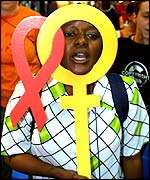
And, as in many of his speeches over the past two years, Mr Mbeki referred to tuberculosis as the country's biggest killer - one of the main causes of death for Aids sufferers. But he mentioned HIV/Aids only briefly, to say he would follow the demands of the constitutional court, which overruled the government's policy on treatment last year. Thousands of people gathered in Cape Town outside the parliament on Friday to demand the implementation of a national plan on HIV/Aids treatment. | |
See also:  14 Feb 03 | Africa 14 Feb 03 | Business 13 Feb 03 | Middle East 13 Feb 03 | Africa 26 Sep 02 | Africa Internet links: The BBC is not responsible for the content of external internet sites Top Africa stories now: Links to more Africa stories are at the foot of the page. | ||||||||||||||||||||||||||||||||||||||||||||||||||||||||||||||||||||||||||||||||||||||||||||||||||||||||||||||||||||||||||||||||||||||||||||||||||||||||||||||||||||||||||||||||||||||||||||||||||||||||||||||||||||||||||||||||||||||||||||
 | |
|  E-mail this story to a friend E-mail this story to a friend |
| |
| Links to more Africa stories |
| | | ||
 | ||||
 | | Back to top
| ||
| ---------------------------------------------------------------------------------- To BBC Sport>> | To BBC Weather>> | To BBC World Service>> ---------------------------------------------------------------------------------- © MMIII | News Sources | Privacy |