|
 |
 | | | | | | |||||||||||||||||||||||||||||||||||||||||||||||||||||||||||||||||||||||||||||||||||||||||||||||||||||||||||||||||||||||||||||||||||||||||||||||||||||||||||||||||||||
| | | You are in: Africa | |||||||||||||||||||||||||||||||||||||||||||||||||||||||||||||||||||||||||||||||||||||||||||||||||||||||||||||||||||||||||||||||||||||||||||||||||||||||||||||||||||||||
|
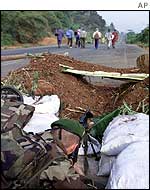
| | Thursday, 26 December, 2002, 03:50 GMT Rebels cautious over Ivory Coast plan  The war has displaced thousands of people The main rebel group fighting in Ivory Coast says it is keen to see the details of a plan announced by President Laurent Gbagbo to end the civil conflict. The president has sent the 10-point plan to the mediator of the peace talks.
But the BBC's correspondent in the country, Paul Welsh, says that the draft copy of the plan addresses few of the rebels' core demands. Mr Sidiki, speaking from the MPCI stronghold of Bouake, 350 kilometres (220 miles) north of the main city of Abidjan, said his group was "still on the path of negotiation, not on the path of war". The MPCI has been opposed to President Gbagbo since fighting erupted in September, but is currently observing a truce. Two rival rebel factions based in the west have already said they want a ceasefire and have toned down their rhetoric against the military presence of France, the former colonial power, in Ivory Coast. The conflict has left hundreds dead and thousands homeless in this religiously and ethnically divided country. Obstacles The rebels, our correspondent reports, want a change to the controversial system of deciding who is an Ivorian, which decides who can stand in elections or vote.
But only those who are already Ivorians under the present system could vote in that referendum - and that rules out most of the president's opponents. There are two major sticking-points in the peace plan as far as the rebels are concerned:
On offer What the draft presidential plan does address includes:
Another proposal is for a new government of national unity. The last government of unity fell apart when opposition groups pulled out, angry at the way the crisis was being handled and at human rights abuses. The rebels will find little in this document to excite or placate them, our correspondent says, but there is some hope in the fact that the president has made any kind of offer at all. | |
See also:  22 Dec 02 | Africa 21 Dec 02 | Africa 18 Dec 02 | Africa 13 Dec 02 | Africa 10 Dec 02 | Africa Internet links: The BBC is not responsible for the content of external internet sites Top Africa stories now: Links to more Africa stories are at the foot of the page. | |||||||||||||||||||||||||||||||||||||||||||||||||||||||||||||||||||||||||||||||||||||||||||||||||||||||||||||||||||||||||||||||||||||||||||||||||||||||||||||||||||||
 | |
|  E-mail this story to a friend E-mail this story to a friend |
| |
| Links to more Africa stories |
| | | ||
 | ||||
 | | Back to top
| ||
| ---------------------------------------------------------------------------------- To BBC Sport>> | To BBC Weather>> | To BBC World Service>> ---------------------------------------------------------------------------------- © MMIII | News Sources | Privacy |





 We are still on the path of negotiation, not on the path of war