|
 |
 | | | | | | ||||||||||||||||||||||||||||||||||||||||||||||||||||||||||||||||||||||||||||||||||||||||||||||||||||||||||||||||||||||||||||||||||||||||||||||||||||||||||||||||||||||||||||||||||||||||||||||||||||||||||||||||||
| | | You are in: Africa | ||||||||||||||||||||||||||||||||||||||||||||||||||||||||||||||||||||||||||||||||||||||||||||||||||||||||||||||||||||||||||||||||||||||||||||||||||||||||||||||||||||||||||||||||||||||||||||||||||||||||||||||||||||
|
| | Saturday, 30 November, 2002, 23:36 GMT Ivory Coast: Who are the rebels? 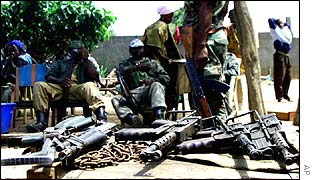 There are now at least three groups of rebels
Until now, what began here on 19 September has been called a mutiny, an uprising or a failed coup; it is taking on all the characteristics of a classic West African fight.
There are now three rebel groups under arms in the country:
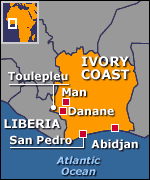
Attacks marked arrival The two new groups took advantage of a break in the ceasefire between the Ivory Coast Government and the MPCI to announce their arrival with attacks on cities in the west of the country. The city of Danane, 20 kilometres from the Liberian border, was the first to fall to the new rebels on 28 November - both of the largely unknown groups claim to have been responsible for its capture. The Movement for Justice and Peace (MJP) then took Man, the main city of the region, 70 kilometres further towards the centre of the country.
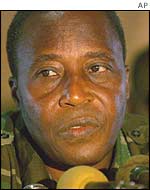
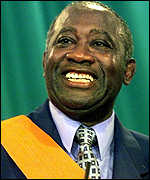
The region where they are fighting is by the Liberian border in the tribal homeland of the former military ruler General Robert Guei. The general was killed in mysterious circumstances on the first day of the original uprising in September. He had been accused of being behind the unrest; he had seized power in a coup in December 1999 and later lost it to the current President, Laurent Gbagbo, in elections. Both the MJP and the MPIGO say they are fighting to avenge General Guei's death and that they want President Gbagbo out of power. Family affair The MPIGO appears to be led by one of the late general's sons. A man who gave his name as Felix Doh telephoned the French news agency AFP saying he represented the MPIGO. "My men have taken Danane, are going all the way to San Pedro" he said, speaking of the second biggest port in Ivory Coast.
The Reuters news agency was contacted by a man representing the MJP who said he wanted the head of Laurent Gbagbo and that "we are going to go all the way to Abidjan," the main city of Ivory Coast and capital in all but name. Some of those fighting for the two new rebel groups came over the border from Liberia to fight. According to people in the newly taken areas, others have accents which suggest they are from Sierra Leone. The two countries have both suffered from long, vicious and inter-related wars involving numerous rebel movements. The rebels from both countries and from Guinea have supported and provoked each other's conflicts. The United Nations has just extended sanctions against Liberia because of the role it played in supporting rebels in Sierra Leone during the bloody conflict there. Stable neighbour collapses Ivory Coast had traditionally been the stable neighbour, now it looks in danger of being added to a sad list.
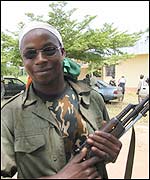
There are reports from Danane and Man of drug-taking and looting among the rebels there. They are said to be scruffy and undisciplined. Those who have held the northern half of the country since September are the opposite. They are not angels. I have seen some under the influence of drink or drugs, and they have carried out summary executions, but they are famously said to pay for everything they consume and there is an air of discipline among their number. It is the MPCI who have signed a truce with the government and who have entered into peace talks in the nearby country of Togo. Threatened demobilisation They began as a group of around 700 soldiers who took up arms against their own country because they were about to be demobilised against their wishes. They had been brought into the army by General Guei when he was in power and some had fought in the first coup.
Since then, they have been joined by others, including ex-soldiers who had been living abroad. Their movement slowly changed, adopted the name MPCI, and made more definite demands. They want President Gbagbo to step down and for there to be elections within six months, open to all Ivorians. Previously, leading opposition politicians have been refused the right to stand and a controversial new Ivorian identity card is likely to prevent many people - most of them opponents of the government - from voting The government says the MPCI is supported and directed from abroad, with the backing of a foreign country. No evidence has been offered to support the claims, but it is clear that the rebels are getting funds from somewhere. What is much more clear is that the new, more shady, groups do have links across the borders. | |
See also:  29 Nov 02 | Africa 27 Nov 02 | Africa 26 Nov 02 | Africa 25 Nov 02 | Africa 21 Nov 02 | Africa Internet links: The BBC is not responsible for the content of external internet sites Top Africa stories now: Links to more Africa stories are at the foot of the page. | ||||||||||||||||||||||||||||||||||||||||||||||||||||||||||||||||||||||||||||||||||||||||||||||||||||||||||||||||||||||||||||||||||||||||||||||||||||||||||||||||||||||||||||||||||||||||||||||||||||||||||||||||||
| |
|  E-mail this story to a friend E-mail this story to a friend |
| |
| Links to more Africa stories |
| | | ||
 | ||||
 | | Back to top
| ||
| ---------------------------------------------------------------------------------- To BBC Sport>> | To BBC Weather>> | To BBC World Service>> ---------------------------------------------------------------------------------- © MMIII | News Sources | Privacy |