|
 |
 | | | | | | |||||||||||||||||||||||||||||||||||||||||||||||||||||||||||||||||||||||||||||||||||||||||||||||||||||||||||||||||||||||||||||||||||||||||||||||||||||||||||||||||||||||
| | | You are in: Africa | |||||||||||||||||||||||||||||||||||||||||||||||||||||||||||||||||||||||||||||||||||||||||||||||||||||||||||||||||||||||||||||||||||||||||||||||||||||||||||||||||||||||||
|
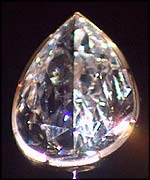
| | Wednesday, 13 November, 2002, 18:53 GMT Sierra Leone diamonds 'fuelled' Lebanese war  Some areas still thrive on rich diamond fields
A new report on the illicit diamond trade in West Africa says the local Lebanese business community should curb corruption in the sector. The report, by the Canada-based research group, Partnership Africa Canada, highlights the role of the large Lebanese business community in Sierra Leone. It details how, historically, some Lebanese expatriates have financed Middle-Eastern political parties such Amal or Hezbollah with money made in Africa. Lebanese first began settling in West Africa during colonial times and many more business families arrived to escape the Lebanese civil war of the 1980s and 90s. Illicit income In recent years it has become commonplace to hear about diamonds fuelling wars in Africa. But this report gives rare details about how African diamonds helped finance various factions in the Lebanese civil war.
It says the gemstones continue to be an important source of finance - part legitimate, part illicit - for tens of thousands of Lebanese traders along the West African coast. Many Lebanese living along the coast are involved in perfectly legal businesses; in some capital cities entire streets of retail shops are Lebanese-owned. But this report estimates that some 60% of high-quality Sierra Leonean diamonds are still smuggled out of the country. Given that Lebanese dealers dominate the diamond industry, the report argues, this community should reform itself to further legalise the trade and help rebuild Sierra Leone's war-ravaged economy. The end of the war in Sierra Leone, and massive United Nations assistance to the country, have boosted a fledgling legal diamond trade, giving the government vital tax revenues. But the level of revenue is still low compared to the pre-war years. The report does not say the Lebanese are the only ones to blame. It details the alliances Lebanese traders have made with Sierra Leonean politicians whose financial interests have been served. | | See also:  05 Nov 02 | Africa 01 Sep 02 | Business 23 Apr 02 | Africa 04 Apr 02 | Africa 22 Mar 02 | Business 14 Sep 01 | Africa 10 Aug 01 | Africa Internet links: The BBC is not responsible for the content of external internet sites Top Africa stories now: Links to more Africa stories are at the foot of the page. | |||||||||||||||||||||||||||||||||||||||||||||||||||||||||||||||||||||||||||||||||||||||||||||||||||||||||||||||||||||||||||||||||||||||||||||||||||||||||||||||||||||||
| |
|  E-mail this story to a friend E-mail this story to a friend |
| |
| Links to more Africa stories |
| | | ||
 | ||||
 | | Back to top
| ||
| ---------------------------------------------------------------------------------- To BBC Sport>> | To BBC Weather>> | To BBC World Service>> ---------------------------------------------------------------------------------- © MMIII | News Sources | Privacy |