|
 |
 | | | | | | |||||||||||||||||||||||||||||||||||||||||||||||||||||||||||||||||||||||||||||||||||||||||||||||||||||||||||||||||||||||||||||||||||||||||||||||||||||||||||||||||||||||||
| | | You are in: Africa | |||||||||||||||||||||||||||||||||||||||||||||||||||||||||||||||||||||||||||||||||||||||||||||||||||||||||||||||||||||||||||||||||||||||||||||||||||||||||||||||||||||||||||
|
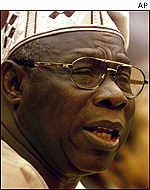
| | Tuesday, 5 November, 2002, 18:38 GMT Nigeria's elections set for April 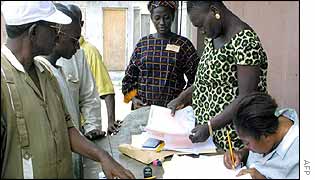 Nigeria's electoral roll is years out of date Nigeria's electoral authorities have announced that presidential and general elections will be held between 29 March and 29 April. However, there are major legal and organisational problems that have still to be resolved. Nigeria has never successfully held a transition from one elected government to another since independence more than 40 years ago. The presidential elections must be held before the current term of President Olusegun Obasanjo ends in May. However, he is battling increasing criticism of his rule as he seeks a second term in office. Poll worries Among the potential problems on the horizon for the Independent National Electoral Commission (INEC) is the issue of local elections. They have already been postponed twice because the registration of voters has still to be completed. INEC has also gone to court to challenge several provisions of the 2002 Electoral Act. It says it does not have the organisational capacity to hold the multiple elections on one day. It is also asking for a $150m budget to hire the 500,000 officials it estimates will be needed to serve the 120,000 polling stations across the country - Africa's most populous. Fears have long been expressed that the failure to conduct the elections properly could stoke ethnic tensions, in a nation that has seen thousands of deaths due to ethnic clashes in recent years. Obasanjo President Obasanjo received a further blow on Tuesday when the leaders of two of Nigeria's three main ethnic groups called on him not to stand for a second term in office.
This follows the impeachment threats he has faced in recent months from MPs who accuse him of mismanagement and ignoring the constitution. The Arewa consultative forum, which represents the country's Hausas, and the Ohaneze Ndigbo, which represents the Ibos, issued a statement warning that the president's abrasive style of leadership had resulted in ethnic and religious conflict. Correspondents say that President Obasanjo - who is a Yoruba - won the 1999 election with the backing of Hausas and Ibos, but that he was now turning to the Yoruba for electoral support. | |
See also:  17 Sep 02 | Africa 12 Sep 02 | Africa 06 Sep 02 | Africa 28 Aug 02 | Africa 27 Aug 02 | Africa 13 Aug 02 | Africa 19 Jun 02 | Africa Internet links: The BBC is not responsible for the content of external internet sites Top Africa stories now: Links to more Africa stories are at the foot of the page. | |||||||||||||||||||||||||||||||||||||||||||||||||||||||||||||||||||||||||||||||||||||||||||||||||||||||||||||||||||||||||||||||||||||||||||||||||||||||||||||||||||||||||
| |
|  E-mail this story to a friend E-mail this story to a friend |
| |
| Links to more Africa stories |
| | | ||
 | ||||
 | | Back to top
| ||
| ---------------------------------------------------------------------------------- To BBC Sport>> | To BBC Weather>> | To BBC World Service>> ---------------------------------------------------------------------------------- © MMIII | News Sources | Privacy |