|
 |
 | | | | | | ||||||||||||||||||||||||||||||||||||||||||||||||||||||||||||||||||||||||||||||||||||||||||||||||||||||||||||||||||||||||||||||||||||||||||||||||||||||||||||||||||||||||||||||||||||
| | | You are in: Africa | ||||||||||||||||||||||||||||||||||||||||||||||||||||||||||||||||||||||||||||||||||||||||||||||||||||||||||||||||||||||||||||||||||||||||||||||||||||||||||||||||||||||||||||||||||||||
|
| | Friday, 11 October, 2002, 07:40 GMT 08:40 UK More woe for Senegal's rebel province 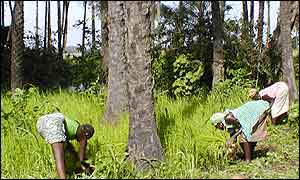 Casamance is Senegal's most fertile region
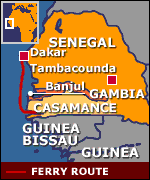
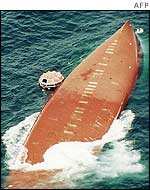
The sinking of the Joola ferry last month is the latest in a number of misfortunes to hit Senegal's troubled southern Casamance region. Many of the more than 1,000 people who died were from Casamance as the ferry was the region's main link to the capital, Dakar.
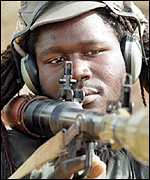
Some are already talking about a "lost generation". Casamance is the most fertile part of Senegal but has been plagued by a low-level guerrilla war for the last 20 years. The Movement of Democratic Casamance Forces (MFDC), led by charismatic Catholic priest Father Diamacoune-Senghor, wants independence for the region. Food hand-outs While casualty figures are relatively low for an independence war - maybe a few thousand people have been killed in two decades - the tragedy is that what should be a rich region remains mired in poverty. Tens of thousands have had to flee their homes and abandon their fields.
Instead of growing rice and selling palm oil, mangos, cashew nuts and other tropical produce, they are reliant on food handouts - if they are lucky. As the fighting has recently subsided in some parts of the region, those who have returned home have found their villages and fields littered with land mines. And the once thriving tourist industry on Casamance's beautiful, palm-fringed golden beaches has been decimated by the conflict after attacks on French tourists. Distinct Of all the unnatural borders bequeathed by colonialism, the Senegal-Casamance-Gambia frontiers are among the most ridiculous. In terms of geography, history ethnicity and religion, Casamance is quite distinct from the rest of Senegal. It is separated from Dakar by The Gambia and was a Portuguese colony before being bought by the French in 1888.
The Jola dominate the coastal part of Casamance and they form the hard core of the MFDC. The Joola ferry was named after the ethnic group. Overall, Senegal is 95% Muslim but in Casamance there are roughly as many Christians are Muslims. The rebellion was sparked by a feeling that northerners, who dominate the administration, were discriminating against the indigenous population of Casamance, the Casacais, by granting prime tracts of land to people from the north, where the Sahara desert is fast encroaching. A Catholic priest recently told me of virgin forestland being purchased by a northern Muslim preacher, who chopped down the trees to plant fields of peanuts. Joint operations Ethnically, Casamance is similar to neighbouring Guinea-Bissau and for many years, the MFDC enjoyed tacit support from the authorities in Bissau. This ended in 2000 when Kumba Yalla was elected president in Guinea-Bissau and since then fighting has subsided in southern Casamance, near the border.
But now the rebel activity has moved further north, near the Gambian border. Gambian leader Yayha Jammeh is Jola and many Senegalese officials feel that he is now harbouring the rebels. The rebels are widely believed to finance their arms purchases by growing and selling marijuana, and armed bandits have taken advantage of the lack of security to rob farmers as well as travellers. And in recent years, the MFDC has split into rival factions, some willing to talk peace, others determined to continue with the armed struggle. The Joola disaster will make life even harder for Casacais by further cutting the region off from the rest of the country. The ferry was by far the most popular way of travelling from Casamance to the capital, Dakar. Third class tickets cost less than $5 and even the wooden benches were more comfortable than sitting in an overcrowded, ramshackle "bush taxi" for eights hours in the searing heat on roads so potholed that many drivers prefer going cross-country. And just days after the Joola capsized, armed men suspected of belonging to the MFDC ambushed a taxi, killing three people. With the ferry out of action, the direct route unsafe and the plane too expensive for most people, the only option is to go around The Gambia - via the south-eastern town of Tambacounda - adding 300 km to the trip. President Abdoulaye Wade has promised to buy two brand new boats to replace the Joola. But these will not be functioning for some time and even so, following the loss of 1,000 lives, many Senegalese may feel wary of travelling by ferry. | |
See also:  27 Mar 02 | Africa 10 Aug 01 | Africa 13 Apr 00 | Africa 02 Oct 02 | Africa Internet links: The BBC is not responsible for the content of external internet sites Top Africa stories now: Links to more Africa stories are at the foot of the page. | ||||||||||||||||||||||||||||||||||||||||||||||||||||||||||||||||||||||||||||||||||||||||||||||||||||||||||||||||||||||||||||||||||||||||||||||||||||||||||||||||||||||||||||||||||||
| |
|  E-mail this story to a friend E-mail this story to a friend |
| |
| Links to more Africa stories |
| | | ||
 | ||||
 | | Back to top
| ||
| ---------------------------------------------------------------------------------- To BBC Sport>> | To BBC Weather>> | To BBC World Service>> ---------------------------------------------------------------------------------- © MMIII | News Sources | Privacy |