|
 |
 | | | | | | |||||||||||||||||||||||||||||||||||||||||||||||||||||||||||||||||||||||||||||||||||||||||||||||||||||||||||||||||||||||||||||||||||||||||||||||||||||||||||||||||||||||||
| | | You are in: Africa | |||||||||||||||||||||||||||||||||||||||||||||||||||||||||||||||||||||||||||||||||||||||||||||||||||||||||||||||||||||||||||||||||||||||||||||||||||||||||||||||||||||||||||
|
| | Wednesday, 2 October, 2002, 14:34 GMT 15:34 UK African leaders to discuss food crisis 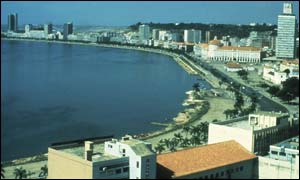 The Angolan capital will host the summit
Heads of state and government from the Southern African region are gathering in the Angolan capital Luanda for the summit of the regional grouping, the Southern African Development Community (SADC), which begins on Wednesday. Government ministers from the 14 member countries have been in Angola for several days preparing for the summit.
Earlier this year, a peace treaty between the Angolan government and the Unita movement put an end to 25 years of civil war in the country. Peace moves in the neighbouring Democratic Republic of Congo are also being greeted as a sign of hope for the region. Fresh paint A recent frenzy of building, painting and road repairs has ensured that Luanda's city centre looks smarter than ever before, as leaders gather for the summit which will see Angola take on the chairmanship of the SADC.
The summit is being presented as a showcase for a post-conflict Angola, and the upbeat mood of the hosts is to some extent matched by the visiting delegates, who see new opportunities for the region now that the Angolan war is over, and significant moves have been made towards peace in the Democratic Republic of Congo. Economic woes But the twin crises of Aids and famine will be high on the summit agenda, and the region's economy is a major concern as southern Africa achieved less than 2% economic growth last year, down more than a whole percentage point from the previous year, and a long way short of the 6% target that governments are looking for. The summit is expected to see more progress towards the creation of a free trade area in the region within the next 10 years.
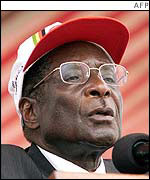
Leaders are still concerned about how international perceptions of the region affect the flow of inward investment. The big question is whether they will grasp the nettle of the situation in Zimbabwe, where controversial election results and the forced appropriation of commercial farmland have scared away investors. Previously, regional leaders have appeared hesitant to challenge President Robert Mugabe - this summit is unlikely to see any outright criticism of the Zimbabwean leader, but delegates are at least acknowledging that Zimbabwe merits attention. South African Foreign Minister Nkosazana Dlamini Zuma told the BBC that there had to be free political activity in Zimbabwe, and she hoped that Zimbabwe would start putting farmland to productive use now that it had completed its land reform process. | | See also:  02 Aug 02 | Africa 09 Jul 02 | Africa 13 Jan 02 | Africa 12 Jan 02 | Africa 18 Dec 01 | Africa 12 Aug 01 | Africa Internet links: The BBC is not responsible for the content of external internet sites Top Africa stories now: Links to more Africa stories are at the foot of the page. | |||||||||||||||||||||||||||||||||||||||||||||||||||||||||||||||||||||||||||||||||||||||||||||||||||||||||||||||||||||||||||||||||||||||||||||||||||||||||||||||||||||||||
| |
|  E-mail this story to a friend E-mail this story to a friend |
| |
| Links to more Africa stories |
| | | ||
 | ||||
 | | Back to top
| ||
| ---------------------------------------------------------------------------------- To BBC Sport>> | To BBC Weather>> | To BBC World Service>> ---------------------------------------------------------------------------------- © MMIII | News Sources | Privacy |