|
 |
 | | | | | | |||||||||||||||||||||||||||||||||||||||||||||||||||||||||||||||||||||||||||||||||||||||||||||||||||||||||||||||||||||||||||||||||||||||||||||||||||||||||||||||||||||||
| | | You are in: Africa | |||||||||||||||||||||||||||||||||||||||||||||||||||||||||||||||||||||||||||||||||||||||||||||||||||||||||||||||||||||||||||||||||||||||||||||||||||||||||||||||||||||||||
|
| | Tuesday, 6 August, 2002, 02:11 GMT 03:11 UK Ivorian opposition join government 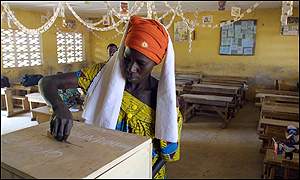 Ivorians gave their support to their current leaders
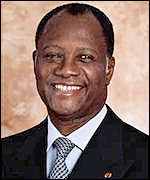
The president of the Ivory Coast has formed a new government, giving ministerial jobs to members of his arch rival's party. It is an attempt to form a more broadly supported government at a time of great divisions in the country. The announcement that there would be a change of government was a surprise. The new faces around the top table are even more surprising. President Laurent Gbagbo has given four of the country's 37 ministerial posts to his rival Alassane Ouattara's RDR party. Another seven seats go to the other opposition party, PDCI, but they were already in the government. Ouattara's future President Gbagbo has been trying to persuade Alassane Ouattara's party to join his government for some time to try to defuse the political tensions in this country by being seen to be more representative. But the former prime minister has refused until now because the government used a clause of the constitution to stop Mr Ouattara standing in the presidential elections in the year 2000.
So it seems likely that a deal has been done behind the scenes, guaranteeing that Mr Ouattara will be allowed to stand in the next elections in 2005. He was granted a nationality certificate just over a month ago, but there are other legal hurdles still to be beaten. Gamble The president's party are not in the majority in government and, in local elections in July, Mr Ouattara's party got the largest percentage of the vote, although it did not translate into the largest number of seats because most of his support is concentrated in the north of the country. Popular discontent with the government was shown vividly late last month when all of the commercial capital's taxi drivers went on strike without pay for almost a week after a colleague was shot dead by police. Abidjan was crippled by the strike. But it was the taxi drivers - not the government - who seemed to have the public support. The new coalition government is a gamble for both politicians. In the short term, President Gbagbo has a lot to gain. Mr Ouattara's advantage seems to be longer term. | | See also:  09 Jul 02 | Africa 06 Jul 02 | Media reports 28 Jun 02 | Africa 27 Jun 02 | Africa 30 Jun 02 | Africa 20 Oct 00 | Africa Internet links: The BBC is not responsible for the content of external internet sites Top Africa stories now: Links to more Africa stories are at the foot of the page. | |||||||||||||||||||||||||||||||||||||||||||||||||||||||||||||||||||||||||||||||||||||||||||||||||||||||||||||||||||||||||||||||||||||||||||||||||||||||||||||||||||||||
| |
|  E-mail this story to a friend E-mail this story to a friend |
| |
| Links to more Africa stories |
| | | ||
 | ||||
 | | Back to top
| ||
| ---------------------------------------------------------------------------------- To BBC Sport>> | To BBC Weather>> | To BBC World Service>> ---------------------------------------------------------------------------------- © MMIII | News Sources | Privacy |