|
 |
 | | | | | | |||||||||||||||||||||||||||||||||||||||||||||||||||||||||||||||||||||||||||||||||||||||||||||||||||||||||||||||||||||||||||||||||||||||||||||||||||||||||||||||||||||||||||||||||
| | | You are in: Africa | |||||||||||||||||||||||||||||||||||||||||||||||||||||||||||||||||||||||||||||||||||||||||||||||||||||||||||||||||||||||||||||||||||||||||||||||||||||||||||||||||||||||||||||||||||
|
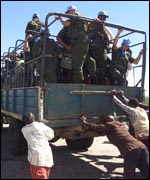
| | Monday, 29 July, 2002, 16:42 GMT 17:42 UK Testing time for DR Congo-Rwanda deal  Rwandan troops entered DR Congo in 1998
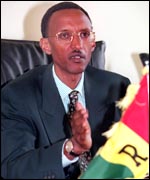
They must now make it work on the ground. It sets a brisk timetable of three months for the identification and disarming of Rwandan Hutu rebels inside Congo and the withdrawal of 20-30,000 Rwandan troops in DR Congo. Those troops have been in DR Congo for four years fighting the Hutu rebels and supporting Congolese rebels against the government of President Joseph Kabila in Kinshasa. The peace deal agreed by President Kabila and his Rwandan counterpart Paul Kagame aims to end the conflict by removing from DR Congo the group the Rwandans say are their only reason for intervention - the Rwandan Hutus. DR Congo and Rwanda, backed by the UN and South Africa, show every sign of trying to make this deal stick. Defiance The UN observer force in the Congo (Monuc) has estimated the number of Rwandan Hutu rebels in Congo at 12,000.
They are in densely-forested areas of eastern Congo and have been operating there since fleeing Rwanda in 1994 after being involved in the genocide against Rwanda's Tutsi community. Rwanda accuses them of plotting the overthrow of the Tutsi-dominated government in Rwanda and says the DR Congo government supports them. The deal sets just three months to find and disarm them So far, 21 rebels have surrendered to Monuc and given up their arms. The DR Congo army must now find the rest. Under the peace deal, Monuc and the South African government will assist in the process and its verification. But the Rwandan rebels said after the signing of the agreement, to which they were not a party, that they said defy the deal and resist attempts to return them to Rwanda, where they could face trial for genocide. Their defiance will make the task harder, as will the lack of a ceasefire or peace deal between the DR Congo government and the main rebel force in the east of the country, the Rally for Congolese Democracy (RCD). Although the withdrawal of Rwandan troops would reduce the RCD's ability to fight the government and could push it towards serious negotiations. Impracticable If there are doubts about dealing with the Rwandan rebels, many Congolese do not trust the Rwandans. The Kinshasa newspaper Le Palmares, which supports the government, warned that "Kagame is not the person who keeps his word for the happiness of the Congolese people".
Analysts of the region are pessimistic about the deal. Henri Boshoff, of the Institute for Strategic Studies in Pretoria, says the 90 day period to track down, disarm and dismantle the Rwandan rebel groups "is impracticable". "it would take that period of time just to put the required numbers of troops and material on the ground," he said. "There has to be a force big enough to act as a deterrent and to encourage the voluntary disarmament of the belligerents, " he said, adding that Monuc does not have the capability for the task. Without a capable force in the area, the good intentions of the deal's signatories might not be enough to make it work in the time specified. | |
See also:  26 Jul 02 | Africa 23 Jul 02 | Africa 22 Jul 02 | Africa 17 Jul 02 | Africa 23 Jul 02 | Africa Internet links: The BBC is not responsible for the content of external internet sites Top Africa stories now: Links to more Africa stories are at the foot of the page. | |||||||||||||||||||||||||||||||||||||||||||||||||||||||||||||||||||||||||||||||||||||||||||||||||||||||||||||||||||||||||||||||||||||||||||||||||||||||||||||||||||||||||||||||||
 | |
|  E-mail this story to a friend E-mail this story to a friend |
| |
| Links to more Africa stories |
| | | ||
 | ||||
 | | Back to top
| ||
| ---------------------------------------------------------------------------------- To BBC Sport>> | To BBC Weather>> | To BBC World Service>> ---------------------------------------------------------------------------------- © MMIII | News Sources | Privacy |