|
 |
 | | | | | | |||||||||||||||||||||||||||||||||||||||||||||||||||||||||||||||||||||||||||||||||||||||||||||||||||||||||||||||||||||||||||||||||||||||||||||||||||||||||||||||||||||||
| | | You are in: Africa | |||||||||||||||||||||||||||||||||||||||||||||||||||||||||||||||||||||||||||||||||||||||||||||||||||||||||||||||||||||||||||||||||||||||||||||||||||||||||||||||||||||||||
|
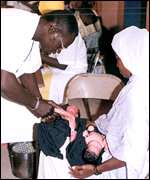
| | Sunday, 28 July, 2002, 13:39 GMT 14:39 UK Unicef begins Mali anti-tetanus drive 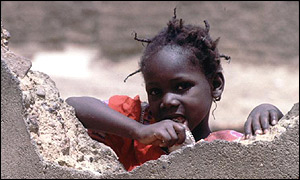 Tetanus is still a major child killer in the developing world
The United Nations Children Fund (Unicef) has begun a major campaign to vaccinate thousands of women against tetanus in Mali in an attempt to halt the passing of the disease to newborn babies.
The immunisation programme will promote hygienic birth practices and will use simple syringes which lay people can be trained to use. Although neo-natal tetanus was eliminated in the industrialised world as far back as the 1950s, the disease is still a major killer of infants and women in the developing world. Single dose Every year, at least 200,000 babies die from tetanus; up to 70% of them who contract the illness die in the first month of life. The disease develops as a result of unhygienic birth practices, leading to contamination of the umbilical cord with tetanus spores when it is being cut or dressed after delivery. This week in Mali, Unicef aims to vaccinate 118,000 women of child-bearing age, many of whom are in remote and poor areas. The immunisations will be implemented by a single dose in a small syringe that Unicef personnel can teach non-medical staff such as teachers and social workers to administer. Two private pharmaceutical companies - Becton, Dickinson and Company and Bio Farma - are also supporting the project by jointly donating nine million units of the vaccine in an attempt to wipe out tetanus for good. | | See also:  12 Jul 00 | Health 17 May 02 | Country profiles Top Africa stories now: Links to more Africa stories are at the foot of the page. | |||||||||||||||||||||||||||||||||||||||||||||||||||||||||||||||||||||||||||||||||||||||||||||||||||||||||||||||||||||||||||||||||||||||||||||||||||||||||||||||||||||||
| |
|  E-mail this story to a friend E-mail this story to a friend |
| |
| Links to more Africa stories |
| | | ||
 | ||||
 | | Back to top
| ||
| ---------------------------------------------------------------------------------- To BBC Sport>> | To BBC Weather>> | To BBC World Service>> ---------------------------------------------------------------------------------- © MMIII | News Sources | Privacy |