|
 |
 | | | | | | ||||||||||||||||||||||||||||||||||||||||||||||||||||||||||||||||||||||||||||||||||||||||||||||||||||||||||||||||||||||||||||||||||||||||||||||||||||||||||||||||||||||||||||||||||||||
| | | You are in: Africa | ||||||||||||||||||||||||||||||||||||||||||||||||||||||||||||||||||||||||||||||||||||||||||||||||||||||||||||||||||||||||||||||||||||||||||||||||||||||||||||||||||||||||||||||||||||||||
|
| | Monday, 15 July, 2002, 11:36 GMT 12:36 UK East African road trip 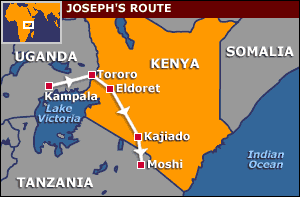
People are open about everything they say or do - including sex. Well, they don't quite do it in the open, but they talk about it very openly.
The roads too are very open. We drove from the capital Kampala right up to the Kenyan border without a single police officer waving us down - and that is despite the Kenyan number plates on our car. In Kenya, you would need a wad of notes to achieve the same feat. And then there is the omnipresent "boda-boda" taxi. This is a motorcycle or bicycle that transports you quickly and cheaply around town. You do not see them in Nairobi nor Dar es Salaam. Big Brother And if you thought driving in Nairobi deserves Formula One mad racing rating, try Kampala. You pity the lone traffic policeman in the middle of the road, surrounded by a sea of cars, waving his hands helplessly like a conductor whose orchestra is in the throes of electrocution. Kenyans will find one thing conspicuously missing in Ugandan public places - the head of state. In Kenya, the portrait of the big man peers down on you in most offices.
In Uganda you mainly bump into the big man in the press. And the media in Uganda is vibrant, explicit and bold, including radio. Debates are lively, uninhibited and without borders - anything goes. I arrived in Kampala on the very day that Brazil were unleashing their all on Germany during the world cup finals. It was quite amusing to listen to world cup football commentary in a language I do not understand - Luganda: "Rivaldo wuuno ...wuuno ... "Wuuuno afunye pass okuva ewa Ronaldinho .... "Akubye ...omupira naye guyise bali ...dah dah ...dah" Formal As soon as you cross the border at Malaba into western Kenya, you feel the difference. Suddenly everything goes very formal. The suits are in place and the openness is displaced.
Now every little public gathering including our own live discussion programme needs a nod from the authorities. Bureaucracy seems to grow freely on trees. Your tribal identity which you forget a lot when in Tanzania, becomes the measure of your worth. 'Well, it's election year,' someone offers apologetically as I grumble from one venue to the next. It proves nearly impossible to engage Kenyans at length in debate on other useful issues. They are obsessed with the coming elections - and who the coming president will be. Flawless Swahili So on we drive across Nairobi, down south to Masaailand in Kajiado and over the border into Arusha in northern Tanzania. Again you feel the change of pace as you cross the border at Namanga. Suddenly the rushed and business-like Kenyans are slowed down into the polite, time-consuming etiquette of the Tanzanian. It is not enough to ask: "How are you?"
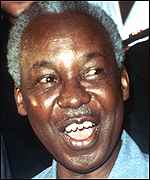
You have got to delve into the "mambo" (meaning how are things, how was your lunch time, is mum ok, has the day been good, I am really sorry you're sweating a lot, etc). All that delivered in flawless Kiswahili. By the time the greeting session is over, the customs official has only stamped one of several official documents that need filling in, verifying, approving and paying for. And the queue behind you is building. One permanent legacy the late President Nyerere left behind is the unifying Kiswahili language. You have got to listen really hard at peoples' accents to detect what ethnic group they are from. With a Kenyan, you tell it clearly from the dress, their car, or even taste of music. Unlike Uganda, our Kenyan-registered car attracts the attention of every sleepy policeman by the roadside - some of whom are nearly run over as they desperately jump onto the road belatedly, hoping to stop the car and start the cash flowing. Luckily, throughout the great East African trek, one thing seems to bring every one of them together. They are not only East African citizens. They are great BBC listeners. | |
Internet links:  The BBC is not responsible for the content of external internet sites Top Africa stories now: Links to more Africa stories are at the foot of the page. | ||||||||||||||||||||||||||||||||||||||||||||||||||||||||||||||||||||||||||||||||||||||||||||||||||||||||||||||||||||||||||||||||||||||||||||||||||||||||||||||||||||||||||||||||||||||
| |
|  E-mail this story to a friend E-mail this story to a friend |
| |
| Links to more Africa stories |
| | | ||
 | ||||
 | | Back to top
| ||
| ---------------------------------------------------------------------------------- To BBC Sport>> | To BBC Weather>> | To BBC World Service>> ---------------------------------------------------------------------------------- © MMIII | News Sources | Privacy |