|
 |
 | | | | | | ||||||||||||||||||||||||||||||||||||||||||||||||||||||||||||||||||||||||||||||||||||||||||||||||||||||||||||||||||||||||||||||||||||||||||||||||||||||||||||||||||||||||
| | | You are in: Africa | ||||||||||||||||||||||||||||||||||||||||||||||||||||||||||||||||||||||||||||||||||||||||||||||||||||||||||||||||||||||||||||||||||||||||||||||||||||||||||||||||||||||||||
|
| | Friday, 5 July, 2002, 15:53 GMT 16:53 UK Stark warning for Africa's environment Global warming makes Africa's future less green Africa is facing a dramatic increase in air and water pollution, drought and wildlife extinction unless immediate action is taken to clean up the continent's environment, says the United Nations. A report from the United Nations Environment Programme (UNEP) calls on African leaders to pursue environmentally-friendly development as well as to reduce greenhouse gas emissions to avoid irreparable damage to Africa's environment. Among the report's findings:
The UNEP, based in Nairobi, says Africa's annual rainfall has been decreasing since 1968 because of global warming. Its report warns that the continent's emission of carbon dioxide - the main global warming gas - has risen eight-fold since 1950, to 223 million metric tonnes of carbon.
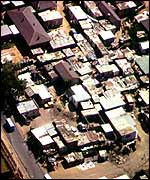
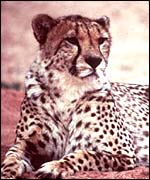
South Africa accounts for 42% of these emissions. Egypt, Nigeria and Algeria combined account for another 35.5%. As a result of the ensuing climate change, natural disasters like drought have become more common in countries such as Botswana, Burkina Faso, Chad, Ethiopia, Kenya, Mauritania and Mozambique. The study says Africa's high rate of urbanisation is also encouraging use of dirty fuel and older cars that emit 20 times more pollution than newer ones. More sea, less rain Refineries and coal power stations - especially in northern Africa - are doubling the levels of the continent's sulphur dioxide, while use of wood as fuel is posing a health risk to women and children in African homes. At the same time rising sea levels are threatening the Gulf of Guinea, Senegal, Egypt, The Gambia, the eastern African coast as well as the western Indian Ocean islands. A significant drop in rainfall could also lead to the extinction of plants and wildlife such as hartebeest, wildebeest and zebra in southern Africa, the report says. It warns that invasive alien species, poaching, poor conservation laws are also putting increasing pressure on the continent�s wildlife. The study says 126 animal species have become extinct, while about 2,000 are now threatened.
It warns that malaria-carrying mosquitoes could spread to Namibia and South Africa which have so far been malaria-free as temperatures climb, allowing them to breed. However, the report notes that many African countries have already begun to address these issues through an Africa-wide development scheme. But UNEP insists more drastic changes are needed. These include cutting Africa's debt burden, boosting overseas aid, introducing green technologies and allowing African countries fair access to international markets for their goods and services. | |
See also:  09 Mar 02 | Africa 04 Jan 02 | Americas 17 May 02 | Science/Nature Top Africa stories now: Links to more Africa stories are at the foot of the page. | ||||||||||||||||||||||||||||||||||||||||||||||||||||||||||||||||||||||||||||||||||||||||||||||||||||||||||||||||||||||||||||||||||||||||||||||||||||||||||||||||||||||||
| |
|  E-mail this story to a friend E-mail this story to a friend |
| |
| Links to more Africa stories |
| | | ||
 | ||||
 | | Back to top
| ||
| ---------------------------------------------------------------------------------- To BBC Sport>> | To BBC Weather>> | To BBC World Service>> ---------------------------------------------------------------------------------- © MMIII | News Sources | Privacy |