|
 |
 | | | | | | ||||||||||||||||||||||||||||||||||||||||||||||||||||||||||||||||||||||||||||||||||||||||||||||||||||||||||||||||||||||||||||||||||||||||||||||||||||||||||||||||||||||||||||||||||
| | | You are in: Africa | ||||||||||||||||||||||||||||||||||||||||||||||||||||||||||||||||||||||||||||||||||||||||||||||||||||||||||||||||||||||||||||||||||||||||||||||||||||||||||||||||||||||||||||||||||||
|
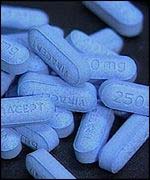
| | Friday, 21 June, 2002, 13:52 GMT 14:52 UK Stigma keeps S Africans from Aids drugs More than 4m South Africans are thought to have HIV A South African company's offer of free Aids treatment has resulted in just one of its estimated 3,800 HIV-positive employees coming forward, new research has discovered.
But many employees were reluctant to admit they were HIV-positive because of the stigma and shame still associated with the disease, the study found. "People feel that if they come out, they will be socially ostracised, overlooked for promotion, and their jobs may be at threat," said David Dickinson, from Johannesburg's Witwatersrand University, who conducted the research. "And when other workers see this happening, it heightens their own fear," he said. Stigma An estimated 15% of Sasol's 26,000 South African employees are HIV-positive. Mr Dickinson told the BBC that one of his most disturbing findings was that employees who found out their HIV status did not go on to register with the company's treatment programme.
At the seminar in Johannesburg marking the publishing of the report's findings, HIV-positive Nozipho Bhengu backed up the study, saying: "The reality of disclosure is very difficult, for fear of stigma and losing your job." "That's not just a problem for Sasol, it's a problem in South Africa," said Liesel Kostlich, the head of Sasol's HIV/Aids forum. Sonnette Holl, a nurse at Sasol, praised the company's policy on providing anti-retroviral drugs to employees. "I am thankful this is happening. Now I look a person in the eye and have resources to offer them. This is progress," she said. Opening up Sasol is the first South African company to allow a study on HIV and Aids in the workplace to be made public. "We hope this will send a message to many other companies that it is okay to come out of the closet," said Sasol group labour relations manager Fanie Ernst. "People living with Aids are a key resource in their own environment. The problem is that only one person in the company has come out with his status at work," said Mr Dickinson. Sasol is the first in South Africa allow an independent researcher to investigate responses to HIV/Aids in the workplace. | |
See also:  19 Jun 02 | Africa 04 Apr 02 | Africa 19 Feb 02 | Africa 19 Feb 02 | Africa 17 Feb 02 | Africa Internet links: The BBC is not responsible for the content of external internet sites Top Africa stories now: Links to more Africa stories are at the foot of the page. | ||||||||||||||||||||||||||||||||||||||||||||||||||||||||||||||||||||||||||||||||||||||||||||||||||||||||||||||||||||||||||||||||||||||||||||||||||||||||||||||||||||||||||||||||||
| |
|  E-mail this story to a friend E-mail this story to a friend |
| |
| Links to more Africa stories |
| | | ||
 | ||||
 | | Back to top
| ||
| ---------------------------------------------------------------------------------- To BBC Sport>> | To BBC Weather>> | To BBC World Service>> ---------------------------------------------------------------------------------- © MMIII | News Sources | Privacy |