|
 |
 | | | | | | ||||||||||||||||||||||||||||||||||||||||||||||||||||||||||||||||||||||||||||||||||||||||||||||||||||||||||||||||||||||||||||||||||||||||||||||||||||||||||||||||||||||||||
| | | You are in: Africa | ||||||||||||||||||||||||||||||||||||||||||||||||||||||||||||||||||||||||||||||||||||||||||||||||||||||||||||||||||||||||||||||||||||||||||||||||||||||||||||||||||||||||||||
|
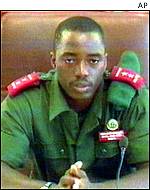
| | Wednesday, 29 May, 2002, 16:49 GMT 17:49 UK DR Congo sues Rwanda The Democratic Republic of Congo has filed a lawsuit against Rwanda and its rebel allies for genocide, armed aggression and human rights abuse. The Kinshasa Government hopes that the International Court of Justice (ICJ) will order an "immediate and unconditional withdrawal" of Rwandan and rebel troops from Congolese territory.
The recent death of up to 250 people in Kisangani was the latest event in a complex war which has engulfed the Congo since 1998, drawing in the armies of six other countries which have fought over Congolese mineral resources. "In killing, massacring, raping, throat-slitting and crucifying, Rwanda has rendered itself guilty of the genocide of more than 3.5 million Congolese people," says the case filed before the court in The Hague. List of woes Independent estimate put the death toll from fighting, famine and disease at two million. Kinshasa's suit also cites cases of assassination, kidnapping, systematic looting, inhuman and degrading treatment, as well as the destruction of the country's flora and fauna.
It urges the court to declare that Rwanda is in violation of the UN Charter and the International Charter on Human Rights. "Failing to order the requested measures at once would have irreparable consequences," the suit reads. Kinshasa has already filed a complaint against Uganda, Rwanda and Burundi before the ICJ, but it had to withdraw its case because the authorities in Kigali and Bujumbura had not recognised the court's jurisdiction. Martyr town "We have decided to start new proceedings because of the events in Kisangani," Congolese Foreign Minister Leonard She Okitundu told the BBC's French service. He said that "crimes could not go unpunished", and that measures should be taken to protect the people of the rebel-held town. Eye-witnesses say that rebel "death squads" executed scores of people suspected of supporting an uprising against the rule of the Rwandan-backed Rally for Congolese Democracy (RCD).
The killings in Kisangani took place a few weeks after the government of President Joseph Kabila signed a peace deal with some rebel groups, but not the RCD. Jean-Pierre Bemba, from the Ugandan-backed Movement for the Liberation of Congo, is set to become the new prime minister in a political deal reached in South Africa. Zimbabwe and Angola have troops in DR Congo, backing Mr Kabila. | |
See also:  24 May 02 | Africa 24 May 02 | Africa 21 May 02 | Africa 17 May 02 | Africa 15 May 02 | Africa 01 Mar 02 | Africa Internet links: The BBC is not responsible for the content of external internet sites Top Africa stories now: Links to more Africa stories are at the foot of the page. | ||||||||||||||||||||||||||||||||||||||||||||||||||||||||||||||||||||||||||||||||||||||||||||||||||||||||||||||||||||||||||||||||||||||||||||||||||||||||||||||||||||||||||
| |
|  E-mail this story to a friend E-mail this story to a friend |
| |
| Links to more Africa stories |
| | | ||
 | ||||
 | | Back to top
| ||
| ---------------------------------------------------------------------------------- To BBC Sport>> | To BBC Weather>> | To BBC World Service>> ---------------------------------------------------------------------------------- © MMIII | News Sources | Privacy |