|
 |
 | | | | | | ||||||||||||||||||||||||||||||||||||||||||||||||||||||||||||||||||||||||||||||||||||||||||||||||||||||||||||||||||||||||||||||||||||||||||||||||||||||||||||||||
| | | You are in: South Asia | ||||||||||||||||||||||||||||||||||||||||||||||||||||||||||||||||||||||||||||||||||||||||||||||||||||||||||||||||||||||||||||||||||||||||||||||||||||||||||||||||||
|
| | Wednesday, 30 October, 2002, 14:55 GMT Saudi ban on foreign cabbies 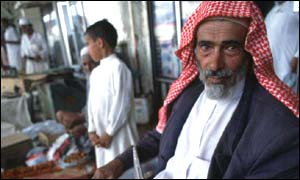 The government wants Saudi nationals to get more jobs Saudi Arabia is planning to ban foreigners from driving taxis in a bid to create more jobs for Saudi nationals.
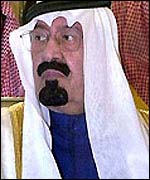
The kingdom's de-facto ruler, Crown Prince Abdullah bin Abdul Aziz, has given the authorities six months to enforce the ban, after which, "no foreigner would be allowed to drive taxis under any circumstances." The ban - if implemented - could hit more than 50,000 foreign drivers, nearly 90% of them Asian immigrants. Unemployment Mr Abdullah asked the authorities to take "whatever procedures or penalties needed to implement the ban", the Saudi press agency (SPA) said . The order said the number of expatriates operating taxis "has been increasing rapidly... although a large number of Saudi nationals are willing to get a job."
Previous attempts to replace foreign taxi-drivers with Saudi ones have failed, because it was a job Saudi men did not want to do. But now unemployment is such a serious problem that attitudes are starting to change. Official figures show that unemployment among Saudi males is now about 12% - unofficial estimates are even higher. The BBC's Roger Hardy says Crown Prince Abdullah's decision is likely to be welcomed by ordinary Saudis - who over the years have come to see "Saudi-isation of labour" as more of a slogan than a reality. Reducing the country's dependence on foreign workers is proving easier in some areas - such as hotels or fast-food restaurants. But correspondents say many companies continue to find foreign workers cheaper and more productive. An Indian taxi driver in Riyadh, Husn Alam, said he was not worried about the proposed ban. "A cab driver earns about $12 after a day's hard work. I don't think a Saudi national would agree to work for that money," he told the BBC. | | See also:  16 May 02 | Country profiles 10 Jul 02 | Business 05 Jun 00 | Middle East Internet links: The BBC is not responsible for the content of external internet sites Top South Asia stories now: Links to more South Asia stories are at the foot of the page. | ||||||||||||||||||||||||||||||||||||||||||||||||||||||||||||||||||||||||||||||||||||||||||||||||||||||||||||||||||||||||||||||||||||||||||||||||||||||||||||||||
| |
|  E-mail this story to a friend E-mail this story to a friend |
| |
| Links to more South Asia stories |
| | | ||
 | ||||
 | | Back to top
| ||
| ---------------------------------------------------------------------------------- To BBC Sport>> | To BBC Weather>> | To BBC World Service>> ---------------------------------------------------------------------------------- © MMIII | News Sources | Privacy |