|
 |
 | | | | | | |||||||||||||||||||||||||||||||||||||||||||||||||||||||||||||||||||||||||||||||||||||||||||||||||||||||||||||||||||||||||||||||||||||
| | | You are in: Science/Nature | |||||||||||||||||||||||||||||||||||||||||||||||||||||||||||||||||||||||||||||||||||||||||||||||||||||||||||||||||||||||||||||||||||||||
|
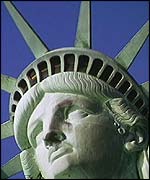
| | Friday, 31 May, 2002, 09:47 GMT 10:47 UK Hi-tech security flaws exposed  Face scanners at airports have been found wanting It has been a bad week for biometric computer systems. A series of exposes and tests have exposed the shortcomings of systems that use face recognition, iris scanning and fingerprints to improve security. Experts have found that the systems can be fooled using very simple techniques. An American civil liberties group has condemned plans to use biometric systems to protect some US landmarks from attack. Poor performance Following the 11 September attacks many organisations have been looking for better ways to verify identities or even to try and pick out known terrorists or criminals from crowds. Before now biometric systems had been seen as a good candidate for vetting people, but recent trials and tests are casting doubt on their effectiveness. A report into the use of a Visionics face scanning system tested for eight weeks at Palm Beach airport in Florida only managed to correctly identify people 47% of the time.
The airport tested the system by asking it to pick out the faces of 15 employees who were passing through the terminal. The system struggled to identify people if they were wearing spectacles, if the lighting was wrong or if they moved their heads too much. The poor performance has convinced the airport's authorities to abandon plans to use the face scanning system for security. Despite the critical report the Visionics system is now being trialled at some American landmarks such as the Statue of Liberty. "The facts show that under real-world conditions, Osama Bin Laden himself could easily evade a face recognition system." said Barry Steinhardt, director of the ACLU's Technology and Liberty Program, in a statement condemning the trials. Fooling with photos German technology magazine c't had more bad news for sellers of biometric systems when it carried out tests on 11 gadgets that used face and fingerprint recognition as a security measure. The journalists found that they could fool some facial recognition systems by holding up a laptop showing a video of someone's face to the camera or even with a still image of a face. They found it was possible to fool some fingerprint sensors by simply breathing on the prints left on sensors or by resting a small bag of water on the sensor. Last month engineering professor Tsutomu Matsumoto revealed how he and his colleagues had managed to fool 11 commercially available fingerprint sensors using household ingredients. By making false fingers out of moulds made from real fingers and digitally enhanced images, Professor Matsumoto managed to fool the fingerprint sensors 80% of the time. The series of experiments led security researchers to declare that fingerprint sensors were too insecure to use seriously. In defence, biometric experts say that the systems are good when ensuring small populations of people are who they claim to be, such as employees entering an office block. But they fare badly when asked to pluck identities out of a crowd. | | See also:  21 Feb 02 | Science/Nature 17 May 02 | Science/Nature 08 Feb 02 | Middle East 15 Apr 02 | Science/Nature 28 Feb 02 | Americas 24 Jan 02 | Science/Nature Internet links: The BBC is not responsible for the content of external internet sites Top Science/Nature stories now: Links to more Science/Nature stories are at the foot of the page. | |||||||||||||||||||||||||||||||||||||||||||||||||||||||||||||||||||||||||||||||||||||||||||||||||||||||||||||||||||||||||||||||||||||
 | |
|  E-mail this story to a friend E-mail this story to a friend |
| |
| Links to more Science/Nature stories |
| | | ||
 | ||||
 | | Back to top
| ||
| ---------------------------------------------------------------------------------- To BBC Sport>> | To BBC Weather>> | To BBC World Service>> ---------------------------------------------------------------------------------- © MMIII | News Sources | Privacy |