|
 |
 | | | | | | |||||||||||||||||||||||||||||||||||||||||||||||||||||||||||||||||||||||||||||||||||||||||||||||||||||||||||||||||||||||||||||||||||||||||||||||||||||||||||||||||||||||||||||||||||||||||||||||||||||||||||||||||||||||||||||||||||
| | | You are in: South Asia | |||||||||||||||||||||||||||||||||||||||||||||||||||||||||||||||||||||||||||||||||||||||||||||||||||||||||||||||||||||||||||||||||||||||||||||||||||||||||||||||||||||||||||||||||||||||||||||||||||||||||||||||||||||||||||||||||||||
|
| | Thursday, 10 October, 2002, 13:03 GMT 14:03 UK Violence mars Pakistan poll 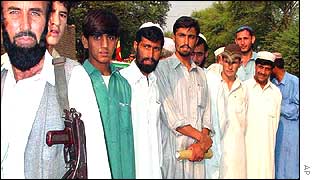 Voting was reported to have got off to a slow start Sporadic violence has been reported in Pakistan in the first general election since a military coup three years ago.
A second man died later. One man was also reported killed and several wounded in clashes in Punjab province. Voting, which has now ended, was largely peaceful, if slow. Counting is expected to start almost immediately, with the first results known later on Thursday. Opinion polls have indicated a close race between former Pakistani Prime Minister Benazir Bhutto's Pakistan People's Party (PPP) and the newly-formed pro-Musharraf Pakistan Muslim League-Quaid (PML-Q), probably resulting in a hung parliament. Musharraf pledge On Wednesday, General Musharraf promised that the elections would be free and fair. But political opponents and human rights groups have accused the Pakistani Government of rigging the vote through intimidation and harassment.
One man at a polling station near Islamabad said it was a great day for the nation. Nearly 72 million Pakistanis are eligible to vote for the new national assembly and four provincial assemblies. The institutions were suspended, then disbanded, by General Musharraf after he took power in a bloodless coup in 1999. The president promised to restore the assemblies and build "genuine democracy", charging the four previous civilian governments with corruption and mismanagement. In a nationwide address on the eve of polling, the general promised to relinquish the post of chief executive and "transfer full executive powers to the prime minister". But, he added, he would retain important powers, such as being able to dismiss parliament. 'Sham' democracy Critics and independent observers have accused General Musharraf of ensuring real power remains in his hands. The president pushed through a number of reforms in his favour before the elections and he blocked Mrs Bhutto and former Prime Minister Nawaz Sharif from standing as candidates.
General Musharraf's term as president was also extended by five years to 2007 in a controversial referendum. The US-based Human Rights Watch said on Wednesday that "Pakistan has witnessed a consolidation of military power rather than a transition to democracy" in the three years since General Musharraf's coup. The BBC's Susannah Price in Islamabad says the election campaign was dominated by President Musharraf, even though he is not running for office. The president imposed stringent restrictions on when and where political rallies could be held and disqualified scores of opposition candidates. The opposition parties have also accused the president and the military of backing the PML-Q at the expense of the PPP and Mr Sharif's Pakistan Muslim League (Nawaz). With neither main party likely to win outright, the PPP and the PML-Q are expected to engage in political haggling after the election to try to form a majority with smaller parties and independent candidates. Voting is not compulsory and political forecasters said turnout at the polls was likely to be low. | |
See also:  10 Oct 02 | South Asia 09 Oct 02 | South Asia 09 Oct 02 | South Asia 09 Oct 02 | South Asia 08 Oct 02 | South Asia 08 Oct 02 | South Asia 08 Oct 02 | South Asia 09 Oct 02 | Country profiles 10 Oct 02 | Media reports Internet links: The BBC is not responsible for the content of external internet sites Top South Asia stories now: Links to more South Asia stories are at the foot of the page. | |||||||||||||||||||||||||||||||||||||||||||||||||||||||||||||||||||||||||||||||||||||||||||||||||||||||||||||||||||||||||||||||||||||||||||||||||||||||||||||||||||||||||||||||||||||||||||||||||||||||||||||||||||||||||||||||||||
| |
|  E-mail this story to a friend E-mail this story to a friend |
| |
| Links to more South Asia stories |
| | | ||
 | ||||
 | | Back to top
| ||
| ---------------------------------------------------------------------------------- To BBC Sport>> | To BBC Weather>> | To BBC World Service>> ---------------------------------------------------------------------------------- © MMIII | News Sources | Privacy |