|
 |
 | | | | | | |||||||||||||||||||||||||||||||||||||||||||||||||||||||||||||||||||||||||||||||||||||||||||||||
| | | You are in: UK: Wales | |||||||||||||||||||||||||||||||||||||||||||||||||||||||||||||||||||||||||||||||||||||||||||||||||
|
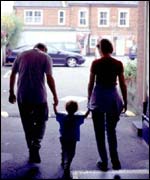
| | Thursday, 28 November, 2002, 10:47 GMT Call for action on child poverty 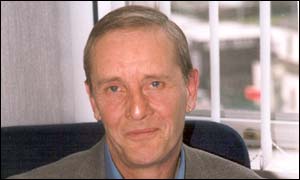 Peter Clarke is the only UK children's commissioner The poverty of many children in Wales remains a national disgrace, according to the Children's Commissioner for Wales in his first annual report to the Welsh Assembly. Peter Clarke makes the comment in the document covering the initial 13 months' of his appointment to the post - the only one of its kind in the UK. He says the role has brought him both sadness and joy as he has listened to children and young people across the country. But he urges adults to do more to give children the respect they deserve, including finding ways to overcome child poverty.
"The greatest deprivation is in the valleys and major towns of south Wales, but these general statistics often mask pockets of extreme child poverty in other areas. "Many children give very eloquent accounts of the effects of deprivation.
"They tell of the embarrassment, and sometimes outright bullying, that they experience as a consequence of having free school meals - one-in-five Welsh children receive these. "They tell too of their not being able to go on school trips, and of having only restricted access to leisure and related facilities because of direct cost, or the cost of transport. "Poor children express the same dreams and hopes as other young people, but know they have much less chance of achieving them." He calls for the Welsh Assembly to adopt an anti-poverty strategy - involving young people themselves - as 'the biggest single thing we can do to help our children'. Mr Clarke also criticises the UK government over its implementation of the UN Convention on the Rights of the Child.
He said a number of groups of children and young people fare badly in terms of this ruling, including: looked-after children, traveller children, disabled children, young people in black and ethnic minority communities and young carers. The report expresses "unequivocal support" for the efforts to ban the defence of reasonable chastisement in UK law as a vital step to halt the physical punishment of youngsters. Mr Clarke's report and annual accounts are presented to the assembly's health and social services committee. It is to show the number of calls, letters and emails received by him and his 17-strong team has risen "exponentially" since he started on 1 March 2001. More than 100 complaints - social services, special educational needs and education were most common issues - needed action to be taken.
Within education, the issues raised were: Testing, exclusion and school buildings and facilities. Swansea, Cardiff and Wrexham were the local authority areas which saw the highest number of cases reported. The caseload was least in Blaenau Gwent, Ceredigion and Monmouthshire. However, Mr Clarke warns against using the number of cases needing action as a measure of possible future cases in a locality. He gives as a case study the condition of the toilets at many schools across Wales. He said: "This was felt by many to reflect the general lack of respect that adults have for them.
"Doors that don't lock, no toilet paper, poor cleaning, inadequate sanitary arrangements for young women, were all mentioned along with a host of other physical shortcomings (not to mention bad smells)." His team conducted a survey of the condition of Wales' school toilets and the results are being analysed and a campaign strategy being drawn up. The issue was typical of a wider disregard for the opinions of children both in the media and by the public. He said children feel adult society often portrays them as a threat or a danger. "One of my sadnesses in this first year as Children's Commissioner for Wales has been to hear the tone of most callers to radio phone-ins where children are the focus.
"(Children) also tell of the way they are treated in restaurants, at bus queues, in leisure centres and shops. "From their perspective the message we adults give is clear - they are not generally liked and their views and opinions are not taken seriously. In March this year, Mr Clarke opened the Clywch inquiry into the allegations of abuse against the late writer and drama teacher John Owen. Its findings and recommendations to be published next year. | | See also:  26 Sep 02 | Wales 02 Jul 02 | Wales 23 Jan 01 | Wales 16 Jan 01 | Wales 07 Dec 00 | Wales Internet links: The BBC is not responsible for the content of external internet sites Top Wales stories now: Links to more Wales stories are at the foot of the page. | |||||||||||||||||||||||||||||||||||||||||||||||||||||||||||||||||||||||||||||||||||||||||||||||
| |
|  E-mail this story to a friend E-mail this story to a friend |
| |
| Links to more Wales stories |
| | | ||
 | ||||
 | | Back to top
| ||
| ---------------------------------------------------------------------------------- To BBC Sport>> | To BBC Weather>> | To BBC World Service>> ---------------------------------------------------------------------------------- © MMIII | News Sources | Privacy |