|
 |
 | | | | | | ||||||||||||||||||||||||||||||||||||||||||||||||||||||||||||||||||||||||||||||||||||||||||||||||||||||||||||||||||||||
| | | You are in: UK: Wales | ||||||||||||||||||||||||||||||||||||||||||||||||||||||||||||||||||||||||||||||||||||||||||||||||||||||||||||||||||||||||
|
| | Wednesday, 10 July, 2002, 13:22 GMT 14:22 UK Farmers assess subsidy proposals Producing crops could no longer yield as much subsidy Farmers in Wales are assessing how they will be affected by a planned radical overhaul of the European farm subsidy system. Proposals from Brussels have called for a shift away from productions payments - with money instead going to efforts to improve food quality and the environment.
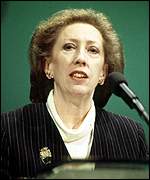
Wales currently recieves around �160m a year from the Common Agricultural Policy. Welsh landowners are unlikely to be the biggest losers from reform - large-scale cereal farmers, or so-called "barley barons", are expected to be hardest hit. But Welsh farming unions have warned their members that the changes will bring fresh challenges as well as opportunities. UK Secretary of State for Environment, Food and Rural Affairs Margaret Beckett said the proposed changes were on the right lines but did not go far enough. Ms Beckett particularly welcomed the concept of shifting the emphasis of support from production-linked aid to measures that promote wider rural development. "There is some hard bargaining ahead and the UK will be playing an active and constructive role," she said. New factors The controversial Common Agricultural Policy (CAP) takes up 40 billion euros a year - almost half the EU's budget. The policy has long been seen by critics as EU meddling at its worst. Beset by claims of fraud, the CAP is also blamed for helping to keep the developing world poor by subsidising European farmers.
Instead of simply encouraging farmers to produce unwanted crops, Brussels is keen to bring major new factors in the equation - competition, rural development, food safety, value for money, and quality. Farmers could be given flat-rate subsidies, instead of payments based on farm size or production. The levels of subsidy could also be shrunk by 20% over the next few years, freeing up extra cash to be ploughed into what the commission labels "rural development" projects. And using fewer pesticides, investing in new capital projects, reforestation, marketing schemes - even early retirement - could all attract financial rewards, sources say. Controversially, no individual farm would be able to claim more than 300,000 euros (�200,000) a year in subsidies. The idea of capping subsidies is likely to prove particularly contentious in the UK, which has many of Europe's largest farms. | |
See also:  07 Feb 02 | UK Politics 29 Jan 02 | UK Politics 29 Jan 02 | UK 29 Jan 02 | Science/Nature 29 Jan 02 | Science/Nature 28 Jan 02 | UK Internet links: The BBC is not responsible for the content of external internet sites Top Wales stories now: Links to more Wales stories are at the foot of the page. | ||||||||||||||||||||||||||||||||||||||||||||||||||||||||||||||||||||||||||||||||||||||||||||||||||||||||||||||||||||||
| |
|  E-mail this story to a friend E-mail this story to a friend |
| |
| Links to more Wales stories |
| | | ||
 | ||||
 | | Back to top
| ||
| ---------------------------------------------------------------------------------- To BBC Sport>> | To BBC Weather>> | To BBC World Service>> ---------------------------------------------------------------------------------- © MMIII | News Sources | Privacy |