|
 |
 | | | | | | ||||||||||||||||||||||||||||||||||||||||||||||||||||||||||||||||||||||||||||||||||||||||||||||||||||||||||||||||||||||||||||||||||||||||||||||||
| | | You are in: UK: Politics | ||||||||||||||||||||||||||||||||||||||||||||||||||||||||||||||||||||||||||||||||||||||||||||||||||||||||||||||||||||||||||||||||||||||||||||||||||
|
| | Wednesday, 25 September, 2002, 12:00 GMT 13:00 UK Kennedy defeats tax rebels 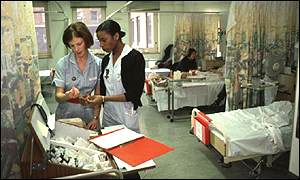 National Insurance would fund the NHS
Proposals to allow the use of private provision and to create a new "health tax" drew some of the strongest criticism yet from delegates. One claimed the new tax was a sham and represented "the economics of Enron."
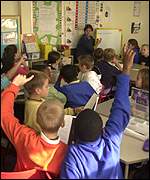
But spokesman Chris Huhne insisted the proposals would create public services that genuinely served the public. And treasury spokesman Matthew Taylor insisted the proposals represented a "radical, reforming and above all Liberal agenda". The rebels were overwhelmingly defeated on a show of hands. Selling point Ever since Chancellor Gordon Brown effectively shot the party's previous fox on increasing taxes by one penny for public services, Mr Kennedy has been looking for a new unique selling point. His party has come up with a series of proposals in a document, "Quality, Innovation and Choice", to:
Meeting need But there were widespread concerns about the continuing involvement of the private sector in the public services.
"Markets are good at meeting demand, but not very good at meeting need," he said. And, claiming the policy was taking a leaf from the Tories' book, he declared: "We do not need to sound like Chingford skinheads to get middle England to understand us." The plans to earmark NI contributions for NHS spending were also attacked for failing to produce extra cash. Not honest Jonathan Davies, the vice-chair of the English party, said all the plan did was take an existing amount of tax to spend in one specific area. Unlike the previous policy of increasing income tax by one penny, the new proposal did not raise any extra cash, he said. "It is the economics of Enron - not the honesty in tax raising of which we have been so proud in recent elections," he said. He also pointed out that, by using NI contributions, those earning �50,000 a year would only pay the same towards the NHS as someone earning �500,000. But treasury spokesman Matthew Taylor claimed the proposals represented "nothing less than a reinvention of the role of government and a reinvention of public services so they are fit for the 21st century". For the first time, people would know how their money was being spent and, through devolution, have a far greater say in that process. "This is our case to take to the country. An earmarked, guaranteed NHS contribution so that healthcare has long-term, guaranteed , transparent funding. "And to transfer power from the hidden corridors of Whitehall to the individual and the neighbourhood." | |
See also:  22 Sep 02 | Politics 04 Apr 02 | Politics 04 Apr 02 | Politics 03 Apr 02 | Business 23 Sep 02 | Politics 19 Apr 02 | Scotland Internet links: The BBC is not responsible for the content of external internet sites | ||||||||||||||||||||||||||||||||||||||||||||||||||||||||||||||||||||||||||||||||||||||||||||||||||||||||||||||||||||||||||||||||||||||||||||||||
| |
|  E-mail this story to a friend E-mail this story to a friend |
| |
|
| | | ||
 | ||||
 | | Back to top
| ||
| ---------------------------------------------------------------------------------- To BBC Sport>> | To BBC Weather>> | To BBC World Service>> ---------------------------------------------------------------------------------- © MMIII | News Sources | Privacy |