|
 |
 | | | | | | |||||||||||||||||||||||||||||||||||||||||||||||||||||||||||||||||||||||||||||||||||||||||||||||||||||||||||||||||||||||||||||||
| | | You are in: UK: Politics | |||||||||||||||||||||||||||||||||||||||||||||||||||||||||||||||||||||||||||||||||||||||||||||||||||||||||||||||||||||||||||||||||
|
| | Tuesday, 27 August, 2002, 11:27 GMT 12:27 UK A constitutional crisis? 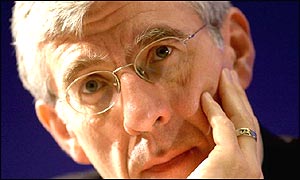 Straw wants an informed debate
For years now there has been an entirely predictable pattern to all debate on the future of Europe and Britain's part in it. Labour will insist that whatever it is doing is in the national interest and it has no intention of selling Britain out to an EU superstate.
And that is just about as far as the debate goes. It is unenlightening, tedious and ultimately a turn-off for the vast majority of voters who are far less obsessed with the issue than politicians would have us believe. Nooks and crannies It is no wonder that most opinion polls show that, when it comes to Europe, the overwhelming majority of citizens believe they simply do not have the information to make sensible decisions. Thanks to the nature of the debate, many are left to make up their minds based on prejudice and gut reaction. The row over the EU constitution is a classic example. Foreign Secretary Jack Straw claims the move would ensure ordinary citizens were given a clear idea about exactly what Europe could do and what it could not. The constitution would, he claims, spell out exactly how far Brussels could interfere in the famous "nooks and crannies" of our lives. He appears to have a point. One of the reasons ludicrous stories about how Brussels was out to ban mucky seaside postcards or harmonise the size of Christmas tree needles - both stories once bandied about as fact - was because there was no clear idea of what the EU could and could not do. A written constitution backed up by a subsidiarity watchdog would go a long way towards ending that sort of nonsense. Final decision Mr Straw may also have a point when he claims that such a document would help bring Europe closer to its people by making it more transparent. Equally, however, it is easy to understand the suspicion with which the proposal has been met.
They claim the European Court would have the power to interpret it and, as it has shown in the past, rule against Britain's national interest. And, of course, this all comes against a background of moves towards a final decision on whether Britain should join the single currency. Crisis point What both sides would almost certainly agree on is that Europe needs reform. It is remote from its citizens, its institutions are overly-complex and bureaucratic, there is the ever-present whiff of corruption around Brussels, and it is all-too-often perceived in a negative light. And this at a time when it is expanding. There is a growing feeling that the EU is rapidly approaching a crisis point - although that has been said before - and that action is imperative. Probably the biggest challenge is to ensure the EU's people are engaged in that process. Ministers, of course, claim that is precisely what this campaign is all about. | |
See also:  27 Aug 02 | Politics 21 Feb 02 | Politics 01 Jul 02 | Europe 27 Aug 02 | UK Internet links: The BBC is not responsible for the content of external internet sites | |||||||||||||||||||||||||||||||||||||||||||||||||||||||||||||||||||||||||||||||||||||||||||||||||||||||||||||||||||||||||||||||
| |
|  E-mail this story to a friend E-mail this story to a friend |
| |
|
| | | ||
 | ||||
 | | Back to top
| ||
| ---------------------------------------------------------------------------------- To BBC Sport>> | To BBC Weather>> | To BBC World Service>> ---------------------------------------------------------------------------------- © MMIII | News Sources | Privacy |