|
 |
 | | | | | | |||||||||||||||||||||||||||||||||||||||||||||||||||||||||||||||||||||||||||||||||||||||||||||||||||||||||||||||||||||||||||||||||||||||||||
| | | You are in: Monitoring: Media reports | |||||||||||||||||||||||||||||||||||||||||||||||||||||||||||||||||||||||||||||||||||||||||||||||||||||||||||||||||||||||||||||||||||||||||||||
|
| | Saturday, 20 July, 2002, 16:43 GMT 17:43 UK Soviet-era dissident dies at 65
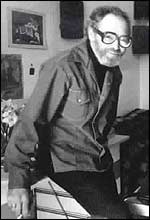
He died in Paris following years of ill-health - the legacy of his time spent in Soviet labour camps. Moscow-born journalist Mr Ginzburg was the pioneer of underground literature and one of the founders of the human rights movement in the former Soviet Union. His dissident political views resulted in several years in labour camps. Mr Ginzburg was first imprisoned in 1960 after he had launched the independent magazine Syntaxis - a compilation of literary works by banned Russian poets and writers. It was highly critical of the Soviet Government. Compiling documentsAfter his release, he began compiling documents on the arrest and trial of two prominent dissidents, Yuli Daniel and Andrei Sinyavsky, which he published in his White Book and managed to smuggle to the West in 1966. That resulted in another five-year prison term. In 1972 he joined fellow dissident writer Alexander Solzhenitsyn, who set up a foundation to help Soviet political prisoners. The foundation opened the eyes of the West to conditions in Soviet labour camps and the repression of free speech.
In 1977 Mr Ginzburg was re-arrested and sentenced to 10 years in an Arctic labour camp. His trial attracted great media interest. After huge international pressure on the Soviet authorities, he was released in 1979 and expelled to the United States, with four other dissidents exchanged for two spies. Mr Ginzburg spent some time in the US and then settled in France where he worked for the �migr� weekly Russian Thought. At the same time he continued to campaign for greater human rights for political prisoners in Russia. It was only in 1995 that he was allowed access to KGB files on his arrest in 1960. "This was a shocking moment for me," he said at the time. "They had almost everything on file." Tributes paid Many past and present human rights activists have paid their tributes.
State Duma deputy and leading human rights campaigner Sergey Kovalov told Russian radio: "Alexander Ginzburg was unbelievably kind and responsive. "He would never regret giving his time and effort and, if you wanted it, money to help other people." Despite differences in their views, Mr Ginzburg is fondly remembered by fellow dissidents. Alexander Solzhenitsyn's wife, Natalya, told Russian TV that Mr Ginzburg had "returned to people the understanding they could be merciful, even though all around them was this evil and horrible pressure". Yelena Bonner, the wife of Soviet dissident physicist Andrei Sakharov, described Mr Ginzburg as a man who had "a superb sense of humour and irony". She said he maintained it in even the most difficult situations - "in prison, in the camps and when he was free". She added: "He was a pure luminous man. Very lively and courageous." BBC Monitoring, based in Caversham in southern England, selects and translates information from radio, television, press, news agencies and the Internet from 150 countries in more than 70 languages. | | See also:  10 Jul 02 | Country profiles Internet links: The BBC is not responsible for the content of external internet sites Top Media reports stories now: Links to more Media reports stories are at the foot of the page. | |||||||||||||||||||||||||||||||||||||||||||||||||||||||||||||||||||||||||||||||||||||||||||||||||||||||||||||||||||||||||||||||||||||||||||
| |
|  E-mail this story to a friend E-mail this story to a friend |
| |
| Links to more Media reports stories |
| | | ||
 | ||||
 | | Back to top
| ||
| ---------------------------------------------------------------------------------- To BBC Sport>> | To BBC Weather>> | To BBC World Service>> ---------------------------------------------------------------------------------- © MMIII | News Sources | Privacy  |