|
 |
 | | | | | | |||||||||||||||||||||||||||||||||||||||||||||||||||||||||||||||||||||||||||||||||||||||||||||||||||||||||||||||||||||||||||||||||||
| | | You are in: UK: Education | |||||||||||||||||||||||||||||||||||||||||||||||||||||||||||||||||||||||||||||||||||||||||||||||||||||||||||||||||||||||||||||||||||||
|
| | Monday, 20 January, 2003, 13:32 GMT Students attack 'elitist' fees plan  Students are against an increase in debt Students have attacked the government's plans for university fees, saying that it will encourage elitism. "Allowing universities to set different fee levels will just heighten the perceived elitism of some of our institutions," says Mandy Telford, president of the National Union of Students. "Rich students will be able to pick and choose their course, while poorer students will be forced to shop around to find something that fits in their price range."
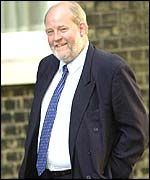
Ms Telford was responding to Education Secretary Charles Clarke, who admitted on Sunday that students could face debts of �18,000 to �20,000. And she said that students would be opposed to such a further increase in debt, which would be caused by a higher level of tuition fees. But the students' union welcomed the signs that the government is planning to remove the "up-front" fees currently paid by students. This is expected to mean that fees, at present �1,100 per year, will not have to be paid back until students are in employment after graduation. Repayment plans There have been suggestions that these will be supplemented by allowing universities to charge up to �3,000 per year. In an attempt to offset concerns about narrowing access, it is expected that there will be an "access regulator" which will ensure that universities admit a proportion of students from poorer families. Mr Clarke told the BBC's Breakfast with Frost: "The type of debt we are talking about goes up from about �12-15,000 to about �18-21,000 - that kind of thing." Although on Monday, the Prime Minister's spokesman qualified these figures - saying that the average student debt was anticipated to be �12,000 to �15,000. Mr Clarke's interview on Sunday also revealed details of repayment plans. "The payback burden varies according to earnings later in life to about �60 a month for example for a civil servant, lower than that for a voluntary sector worker, so the paybacks I don't think are unreasonable." "We will be raising the threshold at which you have to start paying back so there will be less requirement to pay back initially but there will be a debt there to serve." 'Access regulator' Asked what kind of interest rate graduates could expect on their debt, Mr Clarke said details had to be thrashed out but he insisted it would be "significantly less than commercial rates". He said the proposals would shift the financial burden from families and should not discourage students from poorer backgrounds from applying. "Students should be seen as independent at the age of 18 and develop their lives on that basis and I am proud of the fact that I will be able to make an announcement to that effect later in the week," he said. Shadow education secretary Damian Green branded the plan to appoint a new "access regulator" as "social engineering" of the worst kind. "The idea of a government-appointed regulator to tell universities who they can and cannot take is disgraceful," he told GMTV. "It cuts away at academic freedom and it is simply unfair. Liberal Democrat education spokesman Phil Willis said long-term debt would put many young people off going to university. He said: "Saddling students with a mortgage-style 20-year debt creates a huge disincentive for higher education." The British universities umbrella group expressed doubt over the regulatory body which the government says will ensure access to top universities is equitable. "At the moment it is difficult to see what value a regulator would add," said the Universities UK spokesman. | |
See also:  19 Jan 03 | Politics 17 Jan 03 | Education 14 Jan 03 | Education 17 Jan 03 | Education Top Education stories now: Links to more Education stories are at the foot of the page. | |||||||||||||||||||||||||||||||||||||||||||||||||||||||||||||||||||||||||||||||||||||||||||||||||||||||||||||||||||||||||||||||||||
 | |
|  E-mail this story to a friend E-mail this story to a friend |
| |
| Links to more Education stories |
| | | ||
 | ||||
 | | Back to top
| ||
| ---------------------------------------------------------------------------------- To BBC Sport>> | To BBC Weather>> | To BBC World Service>> ---------------------------------------------------------------------------------- © MMIII | News Sources | Privacy |