
|
 |
 | | | | | | ||||||||||||||||||||||||||||||||||||||||||||||||||||||||||||||||||||||||||||||||||||||||||||||||||||||||||||||||||||||||
| | | You are in: Business | ||||||||||||||||||||||||||||||||||||||||||||||||||||||||||||||||||||||||||||||||||||||||||||||||||||||||||||||||||||||||||
|
| | Monday, 30 September, 2002, 05:25 GMT 06:25 UK Reshuffle opens way for Japan reforms 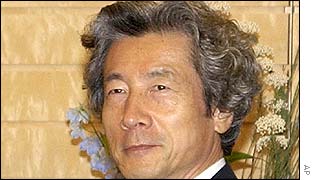 Junichiro Koizumi remains popular, but under pressure Japan's fractured economy could finally be in line for radical reform after Prime Minister Junichiro Koizumi's first cabinet reshuffle ditched a minister seen as a key opponent of change.
He was well known to oppose the idea that the government should use public money to bail out Japan's hard-pressed banking sector. With his ejection from the cabinet, the way now looks clear for the Bank of Japan to go ahead with a controversial plan to buy shares held by the banks. His job at the head of the Financial Services Agency will be taken by Heizo Takenaka, who keeps his existing role as head of economic and fiscal policy. The Finance Minister, Masajuro Shiokawa, is also staying in his current post. Chief Cabinet Secretary Yasuo Fukuda quoted Mr Koizumi as saying: "I decided to reshuffle the cabinet in order to speed up reforms, based on a strengthening of the three-party ruling coalition." In debt Ahead of the decision the financial markets were nervous, with investors selling banking stocks in particular in case the reshuffle does not produce the kind of urgency which the sector badly needs. Even afterwards, shares in Tokyo picked up only slightly, with the benchmark Nikkei 225 index finishing down 1.5%. The bank bailouts Mr Yanagisawa was so firmly opposed to are designed to help the banks deal with their massive shareholdings in companies to which they have loaned trillions of yen. The holdings are now plummeting in value, and - with the huge mountain of bad debts - put the banks at risk of breaching rules which dictate how big their reserves must be. And that has knock-on effects for the rest of the Japanese economy. Deflation - falling prices - has been ravaging the country for years, and the chances of increased demand to help inject new life into the economy are rock-bottom as long as the banks are too fragile to lend. On the up? Mr Koizumi's decision to ditch his financial services minister could help him reclaim the popularity with which he started his term early in 2001. His approval ratings have soared to around 70% in the wake of an unprecedented summit in North Korea early in September. That was the level they sustained for most of the first year of his premiership, thanks to his image as as a new broom sweeping away the policy paralysis gripping the long-ruling Liberal Democratic Party. But that impression died away earlier this year after a series of cabinet upsets and policy reversals which left him looking more like his faceless predecessors. | |
See also:  27 Sep 02 | Business 09 Aug 02 | Asia-Pacific 02 Aug 02 | Business 30 Jul 02 | Asia-Pacific 03 Jul 02 | Asia-Pacific 23 Apr 02 | Asia-Pacific Internet links: The BBC is not responsible for the content of external internet sites Top Business stories now: Links to more Business stories are at the foot of the page. | ||||||||||||||||||||||||||||||||||||||||||||||||||||||||||||||||||||||||||||||||||||||||||||||||||||||||||||||||||||||||
| |
|  E-mail this story to a friend E-mail this story to a friend |
| |
| Links to more Business stories |
| | | ||
 | ||||
 | | Back to top
| ||
| ---------------------------------------------------------------------------------- To BBC Sport>> | To BBC Weather>> | To BBC World Service>> ---------------------------------------------------------------------------------- © MMIII | News Sources | Privacy  |







